
In the tenth grade, there was a literature teacher named, Peggy Yates who taught her students how to “tear apart” a good book. Having learned fundamental literary elements/ terms as part of the ninth grade curriculum, by the time a Grand Blanc High School student reached the tenth grade, they were ready to take on the study of a novel or non-fiction work. This is meant as a huge compliment and here’s how; the first book on her syllabus was Report from Engine Company 82, about a

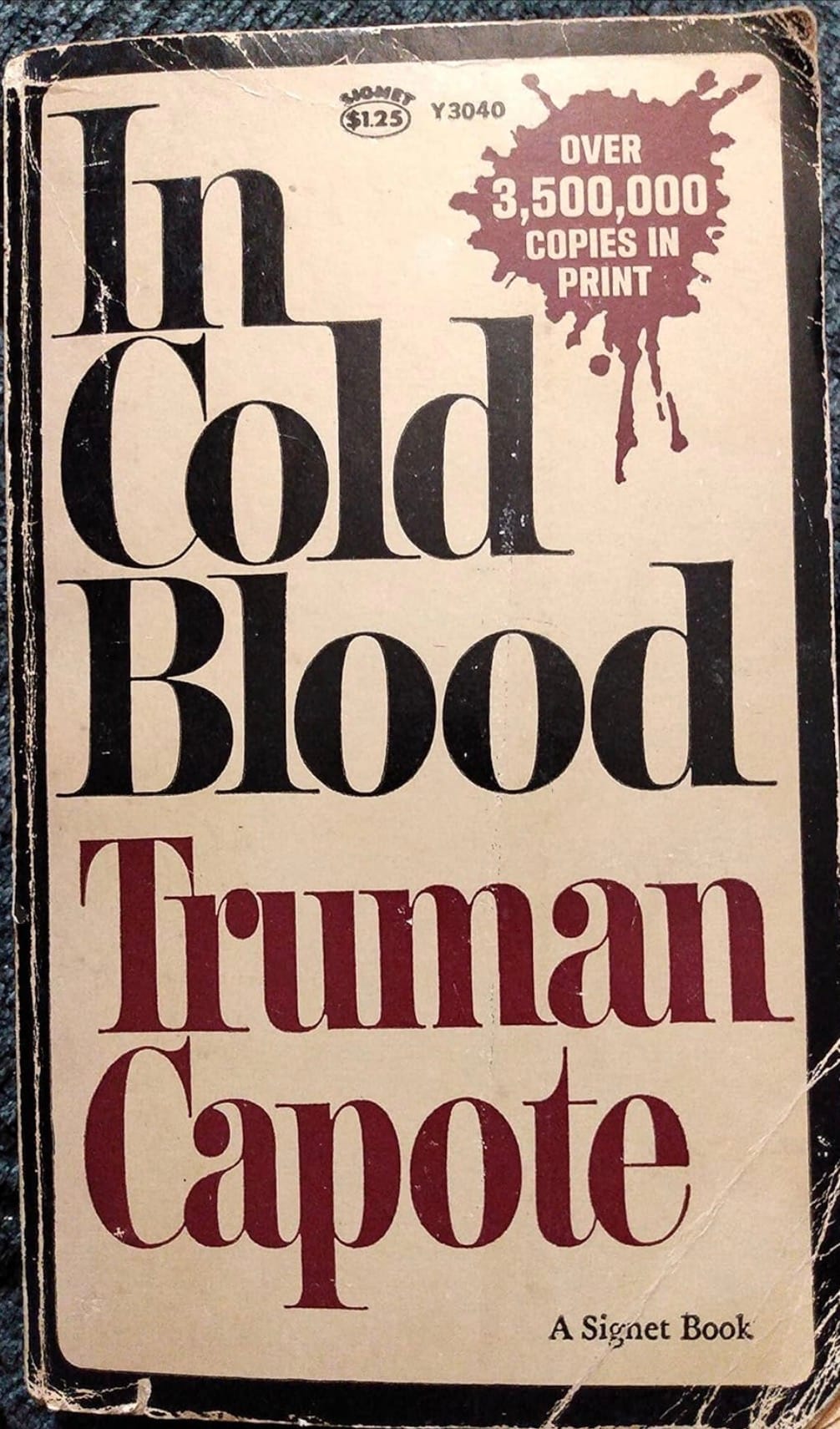
New York City firefighter, Dennis Smith who shared tales from his experience as a first responder in the Big Apple during the late sixties and early seventies. Mrs. Yates posed questions each day over the previous day’s reading. The character’s were examined, the setting was pictured to us and we discussed what must have motivated Smith to get up everyday to make a difference in a very dangerous and crime ridden city, back before Rudolph Giuliani cleaned up the city when he became mayor. The same was done with Truman Capote’s In Cold Blood. To this day, it is easy to recall the details of the very gruesome murder of the Cutler family who met their demise at the hands of Perry Smith and Dick Hickock. Mrs. Yates ability to teach us to dig deep into a book to learn the material, soaking in all the details that an author carefully crafted, motivated me to sign up for another semester this time for Masterpiece of the Novel. Mrs. Yates gets credit for the way I ‘tear apart a book’ to really get into it. This skill helped me they through the rest of high school, college, book groups, doing research and is still with me and used to date.
A summer reading list can be an opportunity to teach, motivate and inspire your child to tear a book apart. I’ll get to the list in a moment. Start with going over literary elements and explaining how they make up a book:
-protagonist
-antagonist
-plot
-theme
-setting
-alliteration
-fiction
-non-fiction
-biography
-autobiography
For young kids, this is a good start. For older kids add to the list:
-irony
-tragedy
-comedy
-foreshadowing
-point of view
(there are numerous others, you’ll find on line to add to the list)
Make an age appropriate book list for your child. Possibly ask your child’s school teacher, Sunday school teacher for a list/recommendations. Review what they give you, add your own titles based on your child’s interests, your family’s travels and experiences and make up a list that you feel with be of interest to your child (& you since you will read some of these or at least flip through them so that you can have discussion with your child on these books).
Consider reading some of these books WITH your kids. Maybe you read a chapter together at bed time and your child reads a few chapters on their own and then you discuss and read together here and there. Meal times and car rides are excellent times for these discussions. You are teaching your kids how to dig into the details of a book (which could be a useful skill in taking on a subject for a report or project), how to discuss a book and that reading in fun.
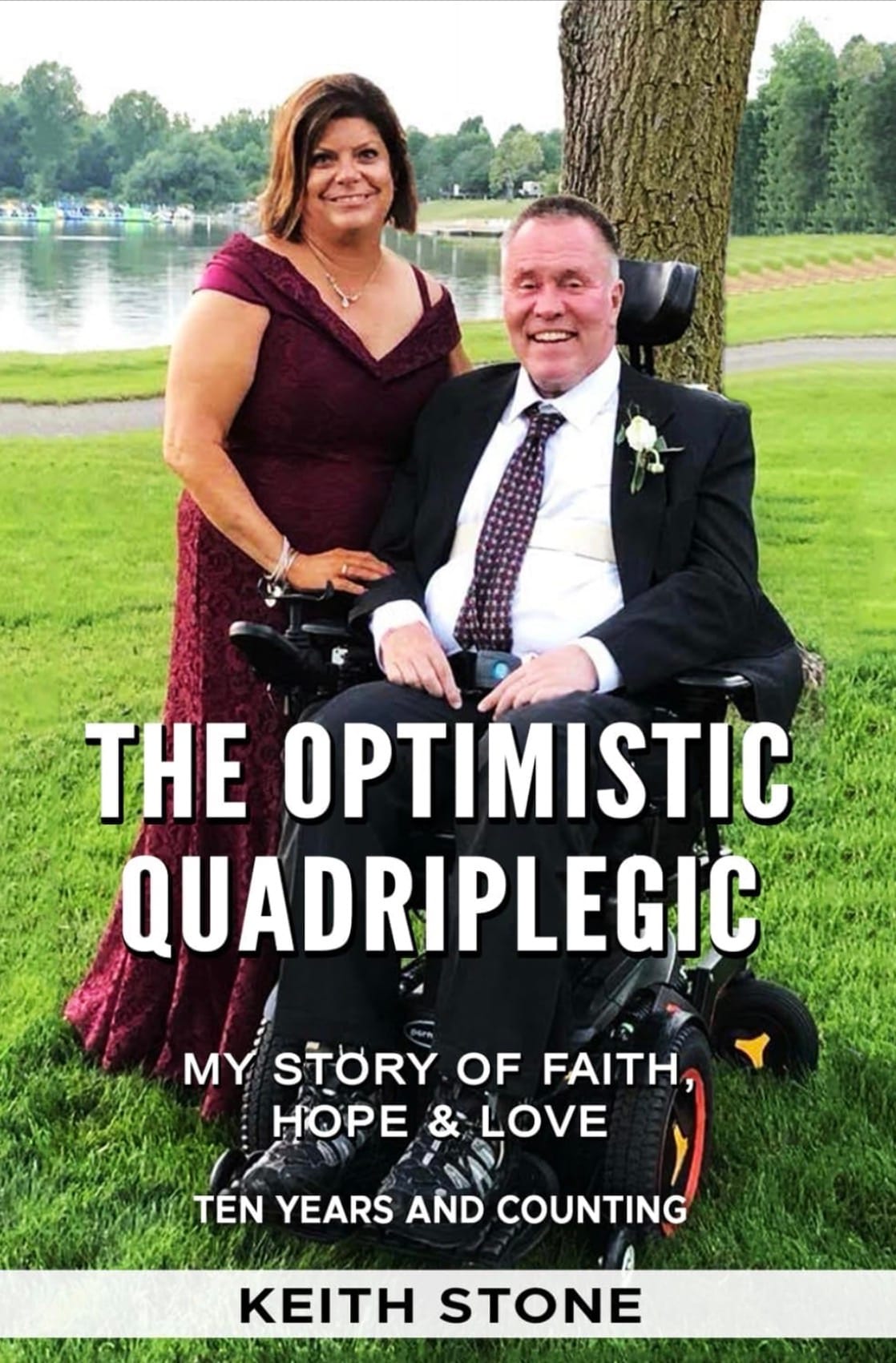
Recently, I read a book that would be excellent reading for a high school student, Keith Stone’s The Optimistic Quadriplegic. There are several reason that this is an excellent book:
-Keith does an excellent job of description as he recalls a very tragic accident
-The message of it’s not what happens to you, it’s how you handle
is a good lesson.
-The example Keith and his wife, Sarah, set as what a marriage looks like, caring and supporting one another is a good image for anyone to see, especially a teenager who down the road will be dating a potential spouse.
Here’s a start for younger children…
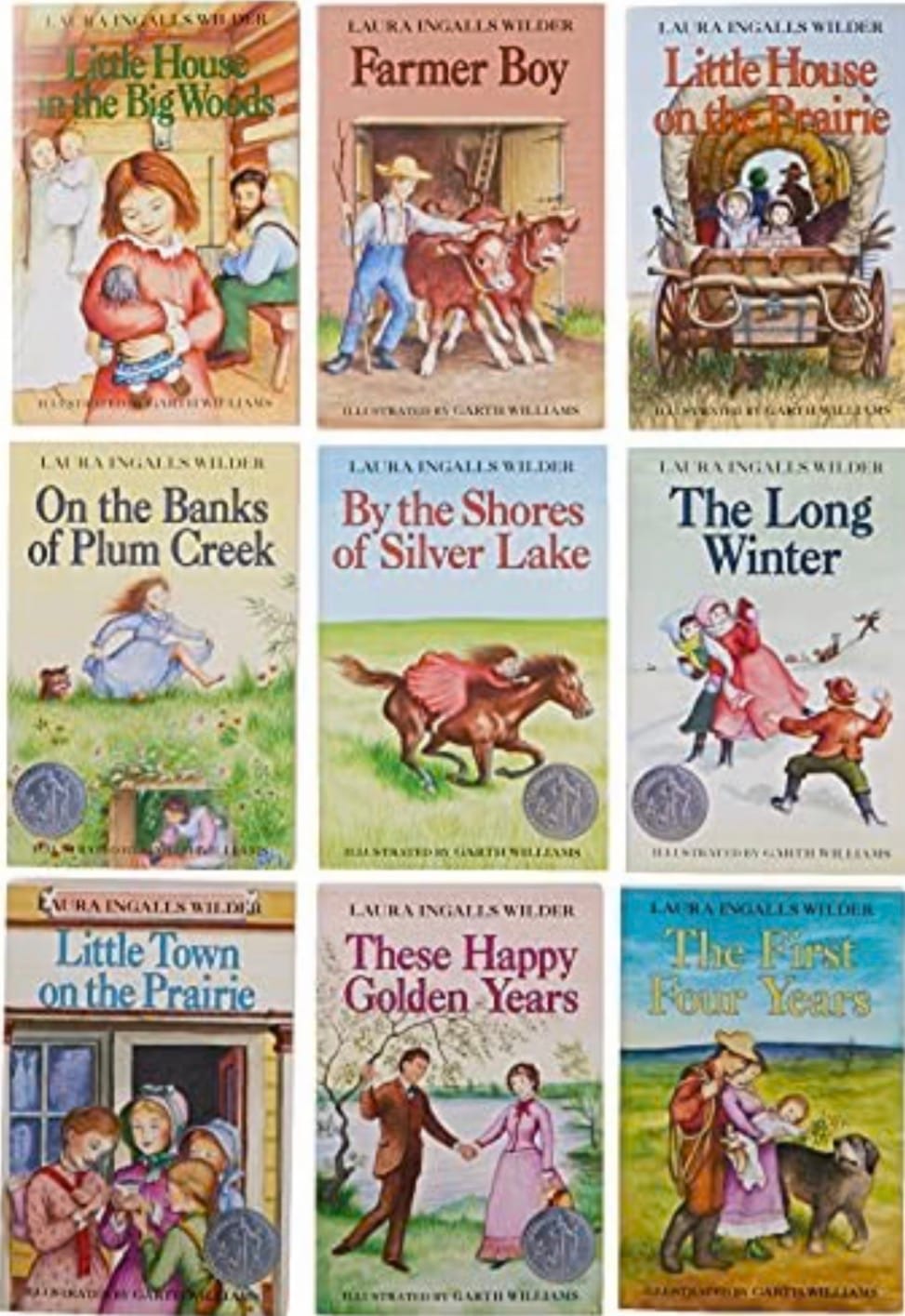
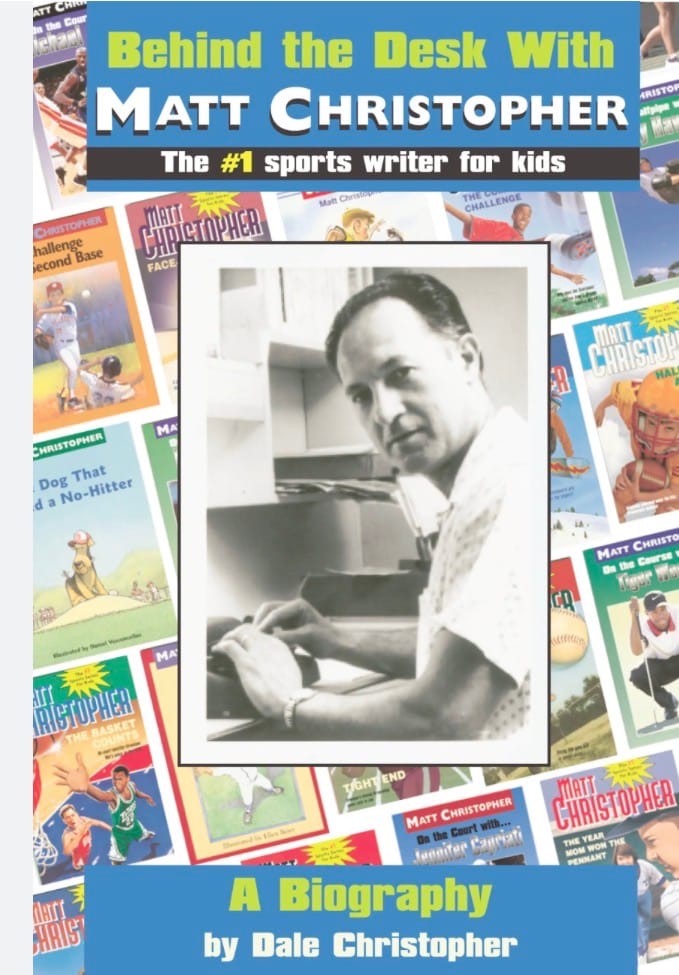
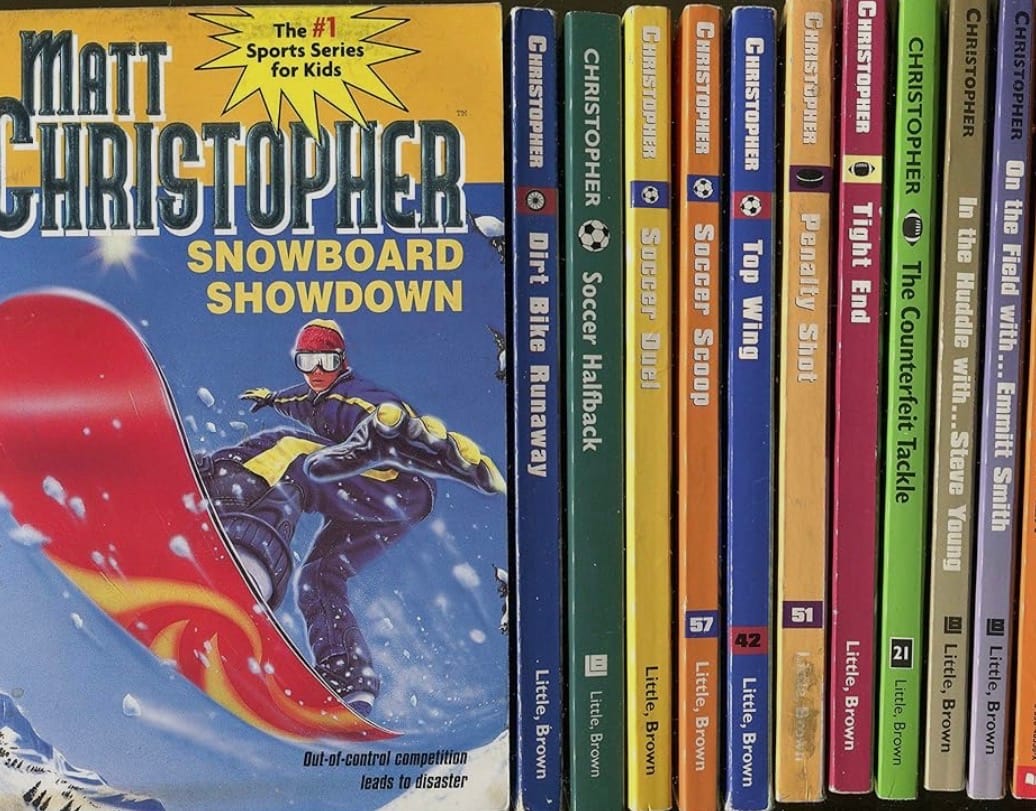
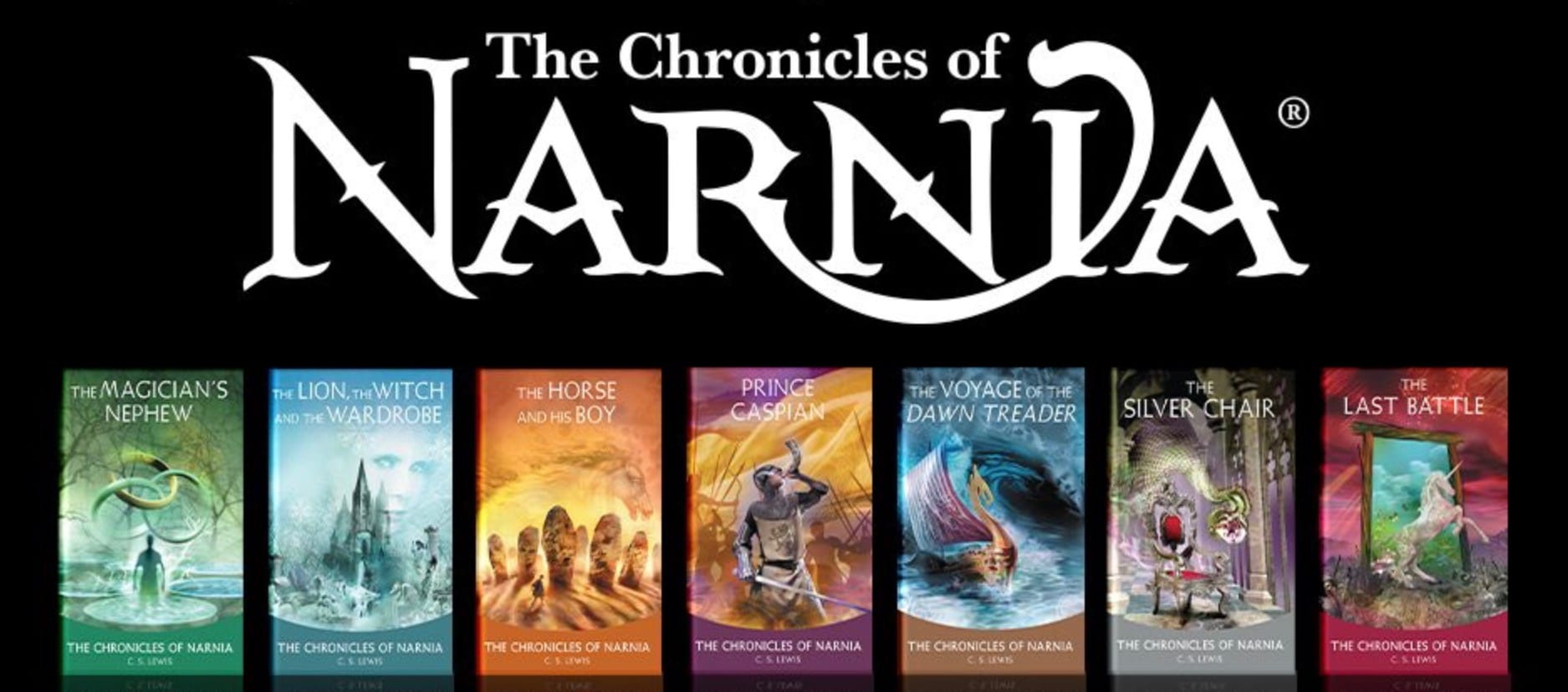
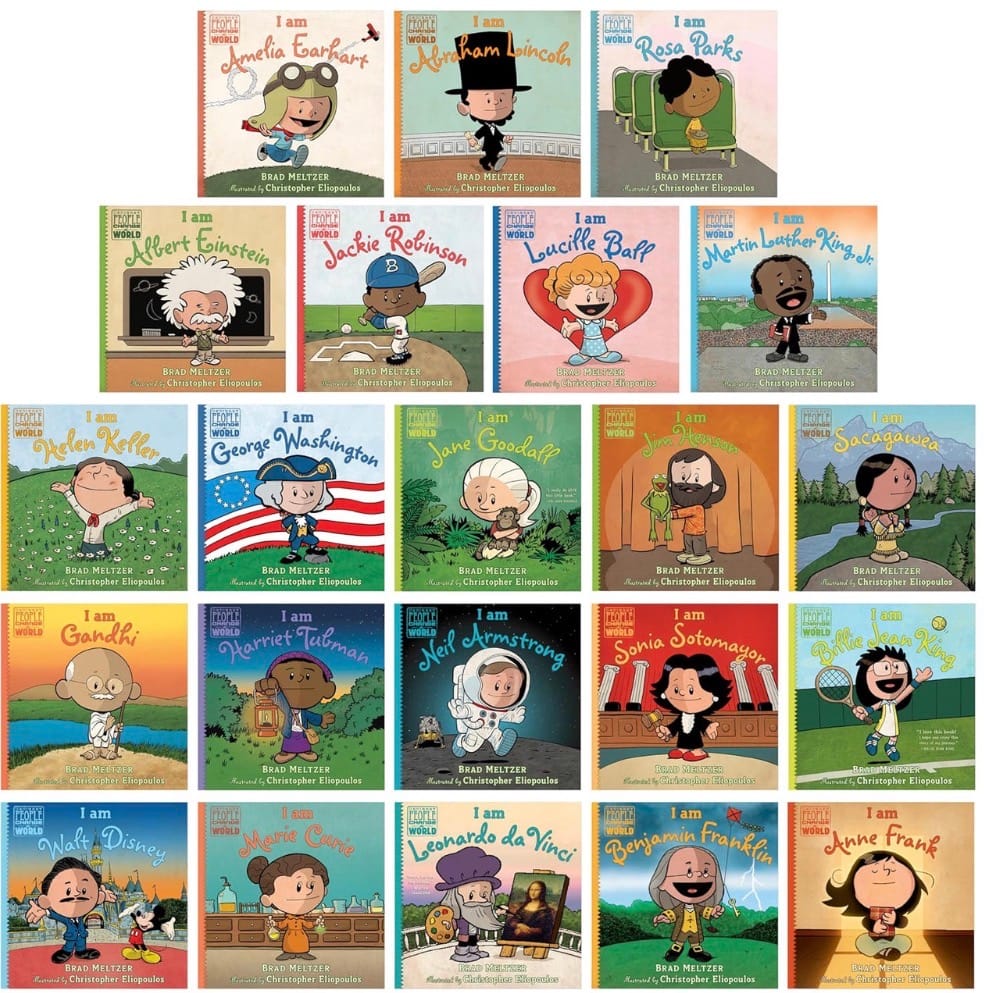
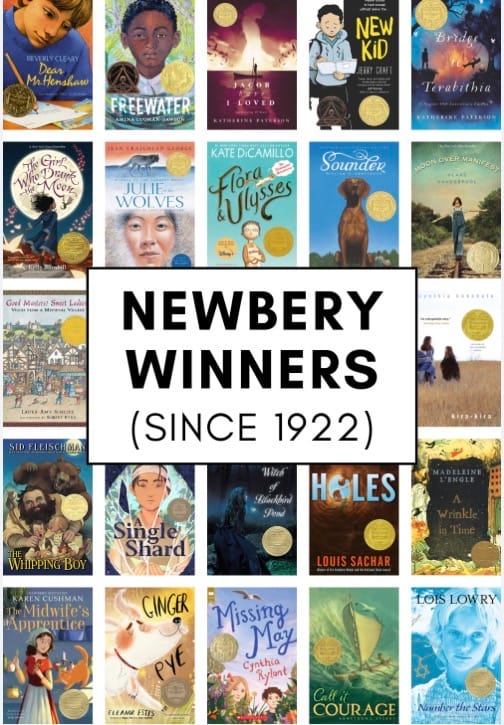
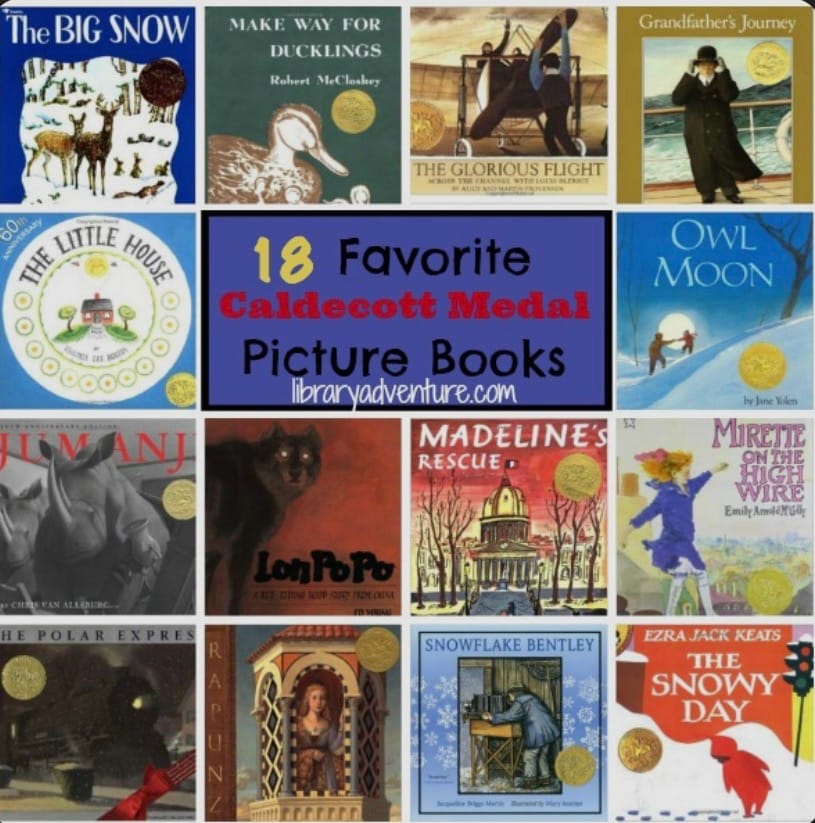
If your kids are younger, titles to consider are The Lion the Witch and the Wardrobe series by C.S. Lewis, the Laura Ingalls Wilder series of books, Matt Christopher has a series of sports books for boys, Brad Meltzer, University of Michigan alumni has a series of children’s biographies, Caldecott and Newbery Award winning books and honor books are usually good selections.
Now you are ready!
I think that’s all, enough to get you started. Will this be some effort on your end? Yes. However, you are teaching skills for a life time and the lesson that learning is life long…Because it is!