Intimidating behavior can start with children early. You may remember that girl or boy on the school bus who was mouthy and you just cringed when she or he got on, hoping that YOU weren’t singled out and made fun of, “their victim of the day.” I remember them. There was a girl in the neighborhood and a boy on the bus. No one does these kids any favors, not the adults who could do something, or their peer, because someday, they will be the “Mean Girl” in high school, or the bully in the locker room. They will earn a reputation that follows them for years and most likely, some life event or someone will put them in their place in a very public forum that ‘levels them’ emotionally-or physically (like a in a fight in a bar or at a social event). Really, the best thing that can happen to these, usually very insecure, individuals, is that the behavior is nipped in the bud and very early on.



Although both boys and girls can experience this behavior, I’d have to say that it’s more prevalent in girls. Just see how it appears in pop culture.
We see or hear of this behavior in pop culture, as in songs, books, episodes on tv shows or in songs. The by Kelis, “I’m Bossy,” comes to mind. It’s everywhere and when kids see or hear this, they think is acceptable, unless a parent, teacher or friend puts a halt to it.
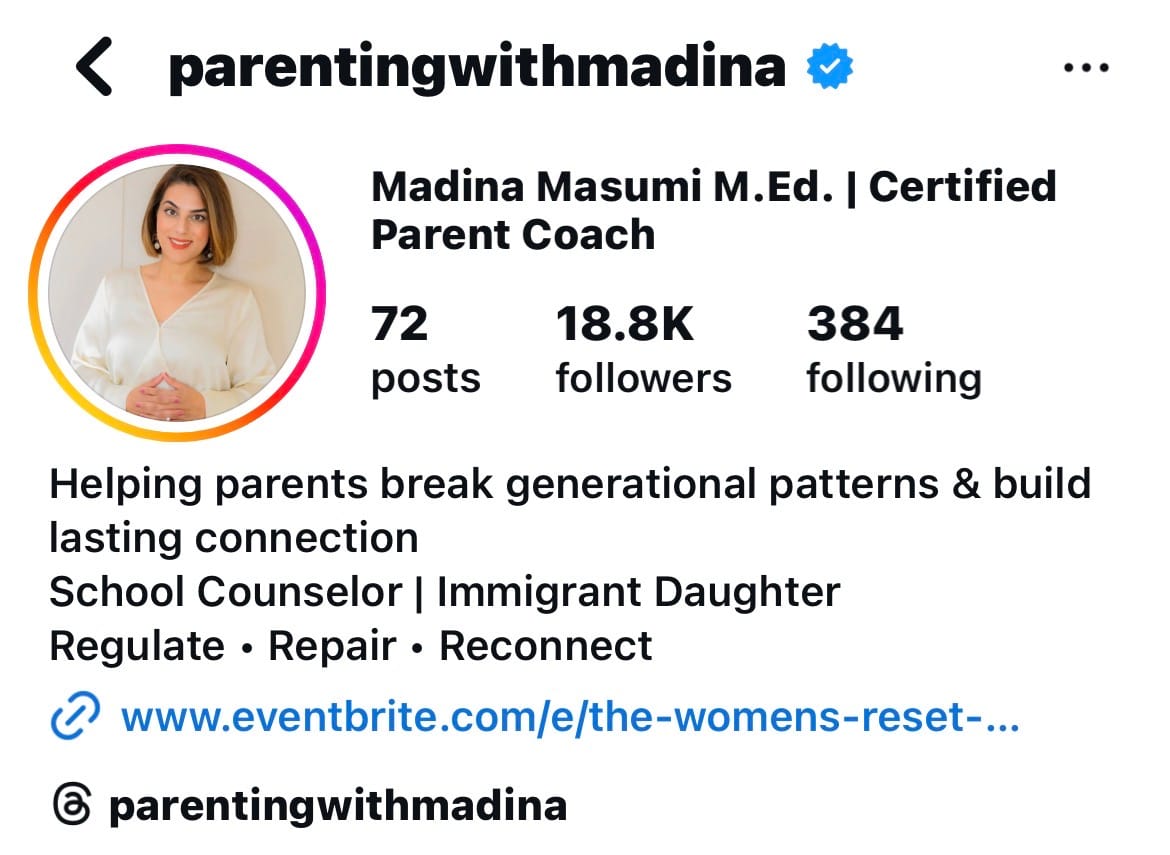
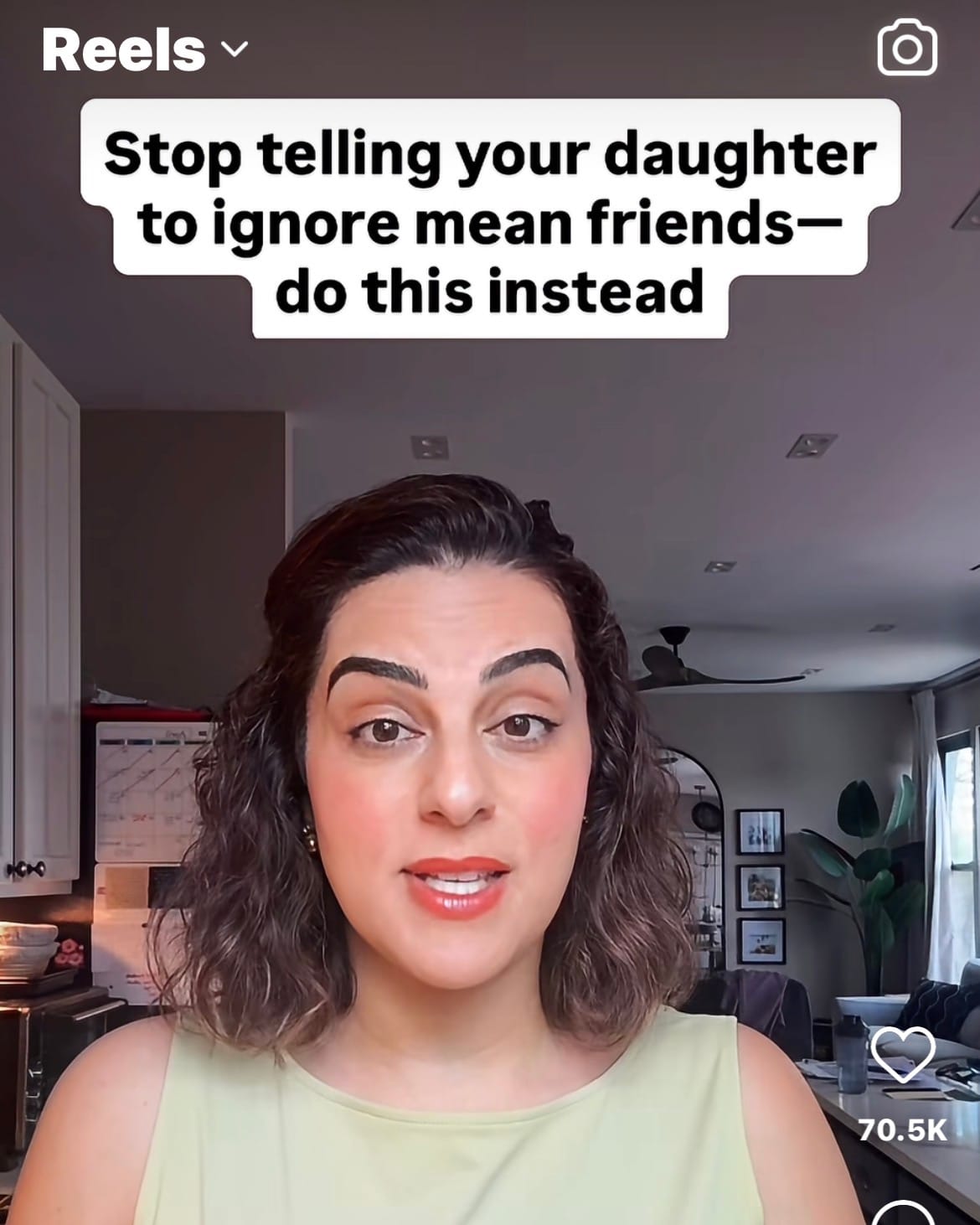
I think Madina has some good ideas in dealing with this topic. Here the link to the REEL on Instagram: https://www.instagram.com/reel/DXPegDCgO7D/?igsh=MjRkbGZwY3ppYW51
Yesterday, I saw an Instagram video from a young Mom who had a very good solution to this behavior in three options, Madina Masumi M. Ed. who is a Certified Parent Coach on Instagram. She gave an example when her 8 year old daughter came home from school with this problem. Her example is with a classmate of her daughter being ‘bossy’ with phrases like, “You can’t play in our group,” “you have to do what I say” or “I won’t be your partner in class”. Medina refers to this behavior as relational aggression When a little child, ages 7-10, comes home from school venting about this happening with their friends, Madina has three tool phrases you can teach your child.
1. “I don’t like it when you do that.”
2. Set a boundary and say, “you don't get to talk to me like that.” Or “I don’t want to play that game today.”
3. Teach them to make a different choice, when their friend is bossy. “I’ll go play with the other girls (on the playground) today.” Or “I’ll go eat my lunch with some other friends today.”
Sometimes when kids come home from school and tell parents these things happen, the first thing that may come to mind to say is-I have said this-“Just ignore it, they’ll eventually stop it.” But some kids who aren’t confronted about their behavior, just keep intimidating others. I think that Medina brings up a great point. Kids at ages 7-10 are developing their own identity in friends groups. Teach your kids to be kind but to set boundaries in friendships. Giving your kids tool to handle these situations, may get them thinking about the kind of friends they are. Remember, you have to be a friend to have one. Like I said, no one does anyone any favors by letting them get by with this behavior.
Giving your kids ways to handles these playground, classroom or lunchroom situations can give your kids confidence in managing their own friendships as they get older. Leading to Great Days ahead. 🍎