Earlier this year a couple of unexpected surgeries threw a little ‘kink’ into my winter. What WAS exciting and a highlight in a few uncomfortable months, was that our youngest son got engaged. Wow, did that make the time go by, to see the photos, a few were posted on Facebook and to read the comments was very uplifting. A friend from our home town of Grand Blanc, Michigan, wrote a nice comment that prompted me to respond with aprivate message her, to let her know how much her words had meant in light of ‘the medical detour” this winter. The next day or so later, I received a message from her husband, Keith:
“Sorry to hear about your surgeries. I’d like to send you some of my books to help you pass the time. Are there any you would prefer?” Along with the link on Amazon to see which ones I would want them to send. Keith and his wife Sarah are always thinking of others…
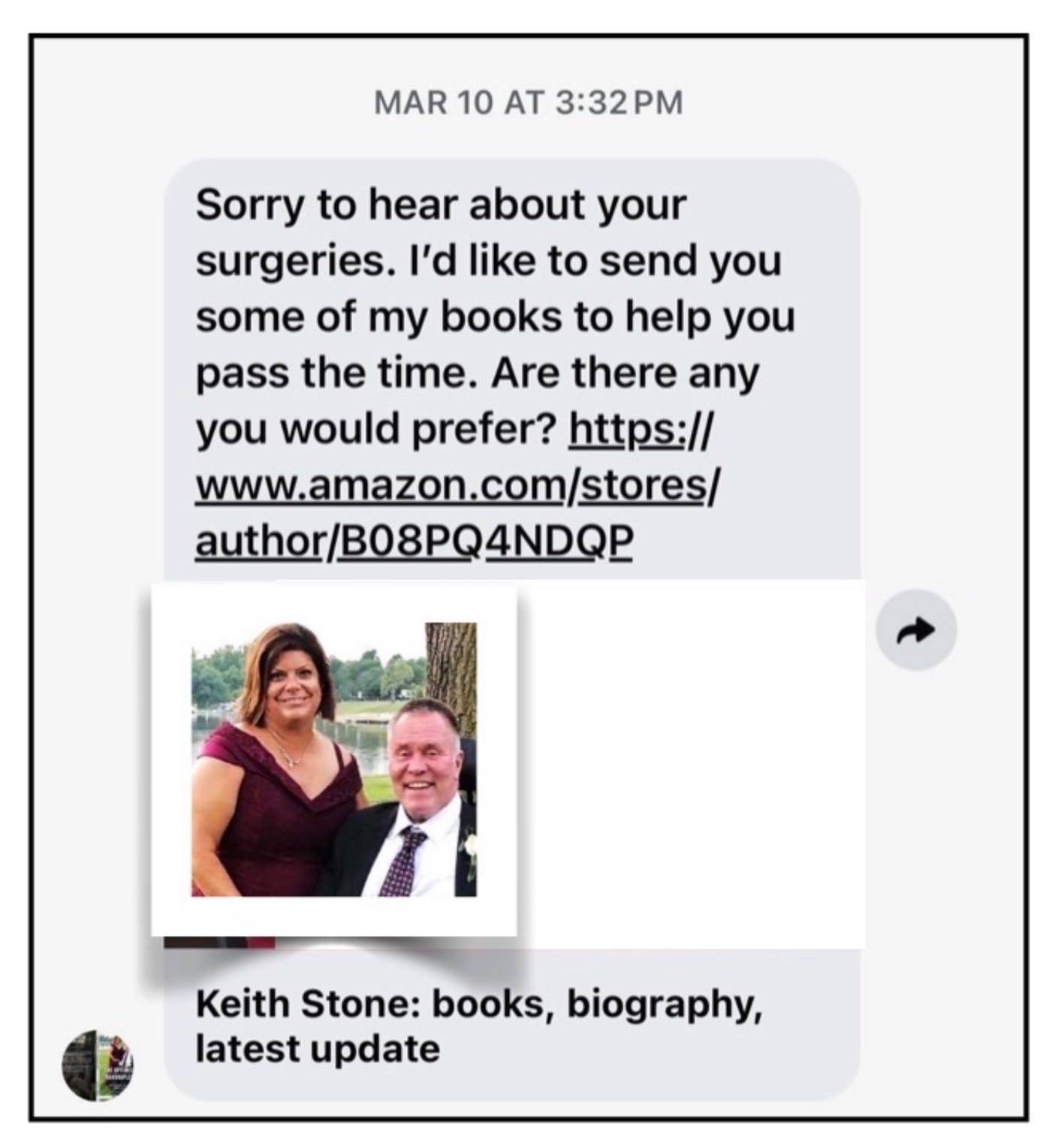
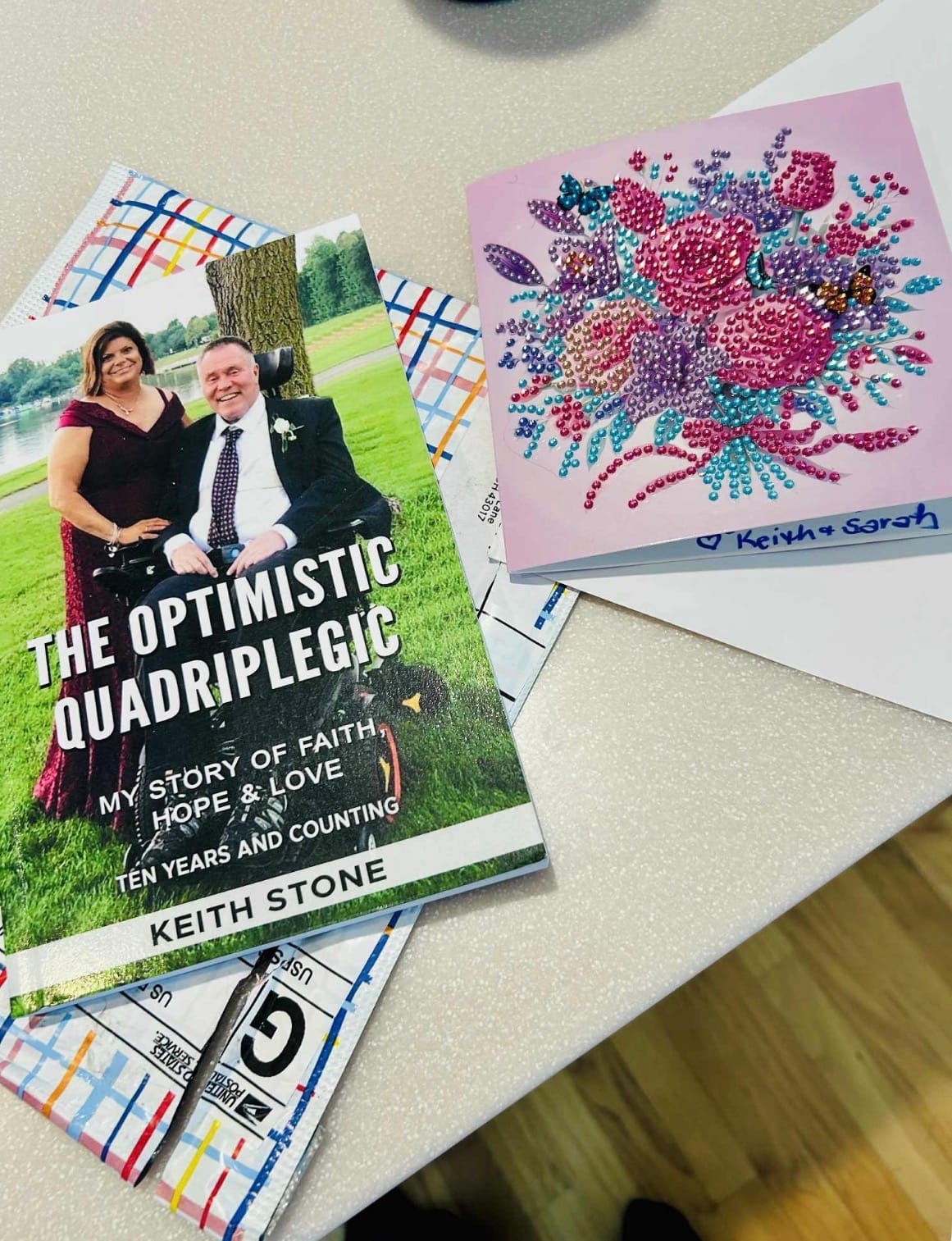
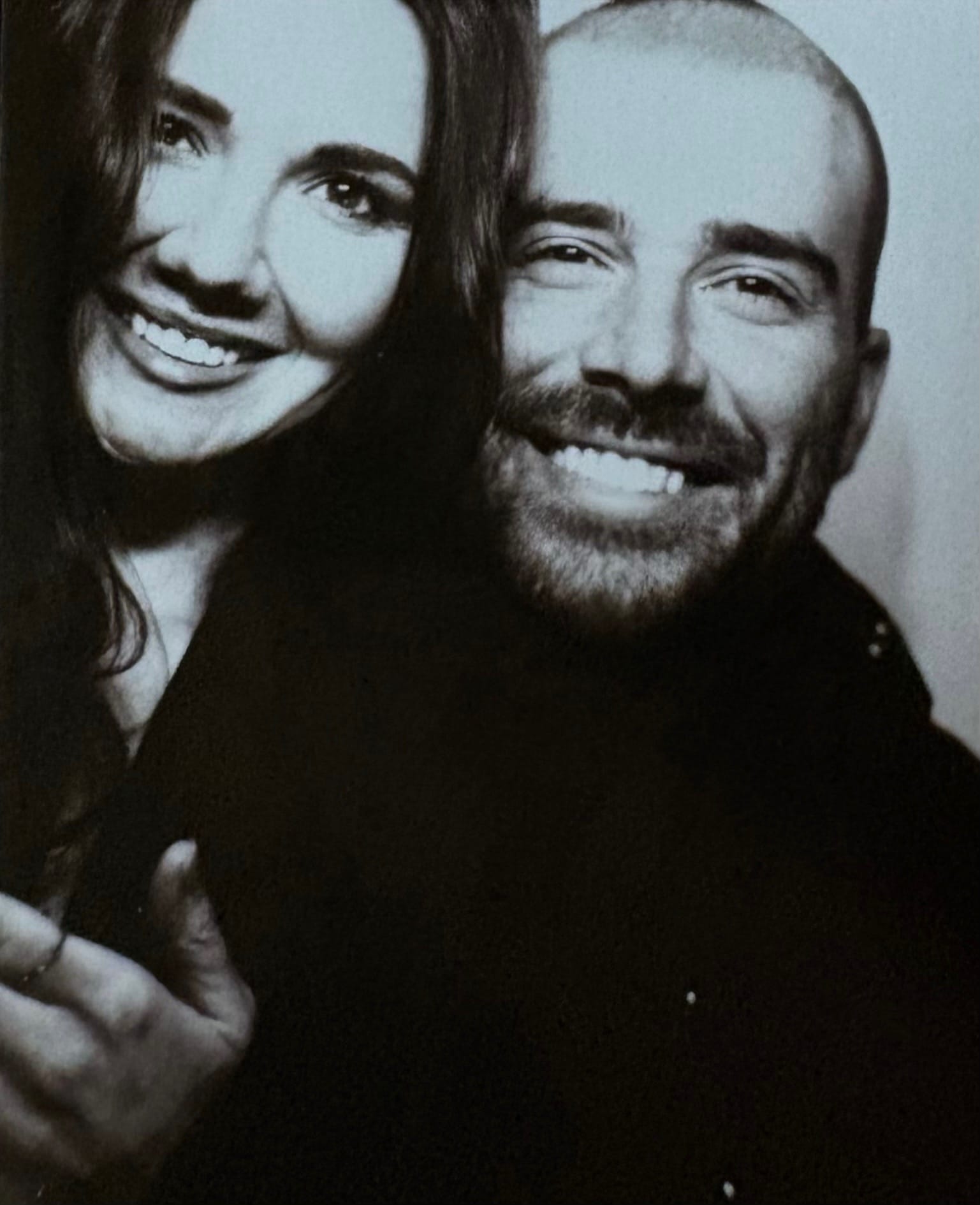
On the left, the Facebook private message that Keith sent. A few days later, the book arrived, along with a sweet note from Sarah…The Photo of Zach and Claire that prompted the messages.
My husband and I know the Stones from Church and our oldest sons are the same age and went to high school together. Sarah was a principal at one of the elementary schools in our town. Our paths cross often and Brad coached the Faith Lutheran Boys Basketball team both Andy Stone and our son, Alex, played on. A few years back, just about the time we all would be empty nesters, Keith was in northern Michigan at a golf outing with some longtime friends (they had given their group of buddies the name, The Griswalds, the last name of Chevy Chase’s character in the movie, Christmas Vacation, when he was involved in a golf cart accident that would leave him a quadriplegic. Keith and Sarah tell the story in his book, The Optimistic Quadriplegic. This was the book that I asked him to send when they offered a book to “help me pass the time.” You see, this is what I meant when I said, earlier that Keith and Sarah are always thinking of others. In fact, this is very evident in Keith’s story. Shortly after the accident, while Keith is in the hospital, while he and the surgeon are on the phone with Sarah, as she is driving up to northern Michigan to be with Keith following the news, he tells her that he feels bad for her having to hear this news and what this all may involve for her and their family. This theme of Keith having concern for other, from his friend, in the cart with him when the accident happened, to his parents and his sons Andy and Matthew, his concern for others. The story of Keith and Sarah’s journey in the time following the accident and his rehabilitate following, is a account of what they went through medically and physically and a recollection of those who helped along the way that Keith refers to at times as “Angels,” from the person in the waiting room who had been through a similar accident as Keith years before, to the initial nurse in the emergency room the night Keith was admitted to the northern Michigan hospital to the physical therapists to the friends who helped he and Sarah move which had been scheduled shortly after he would have returned from his golf outing with the Griswalds. In the pages of this non-fiction chronicle, there is optimism-hence the title of the book-humor, gratitude, faith, details and memories from a man who could have been different in demeanor following such a life altering event. When the accident happened, I was in Florida with our youngest son when he was in high school. It was a story that had our entire town of Grand Blanc praying for them. Sarah and one of Keith’s friends had bracelets made to distribute. It was incredible to see how our town rallied around them…
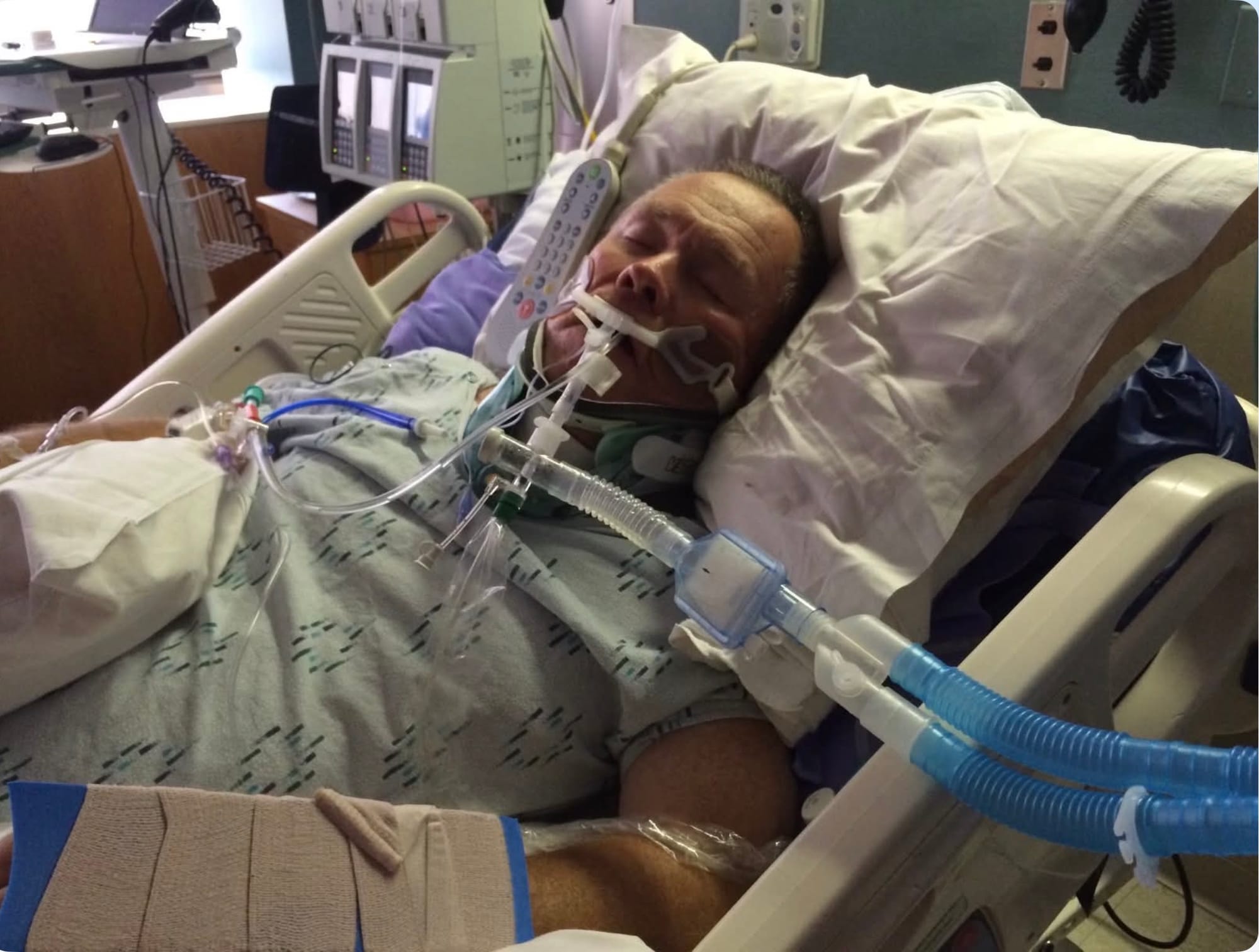
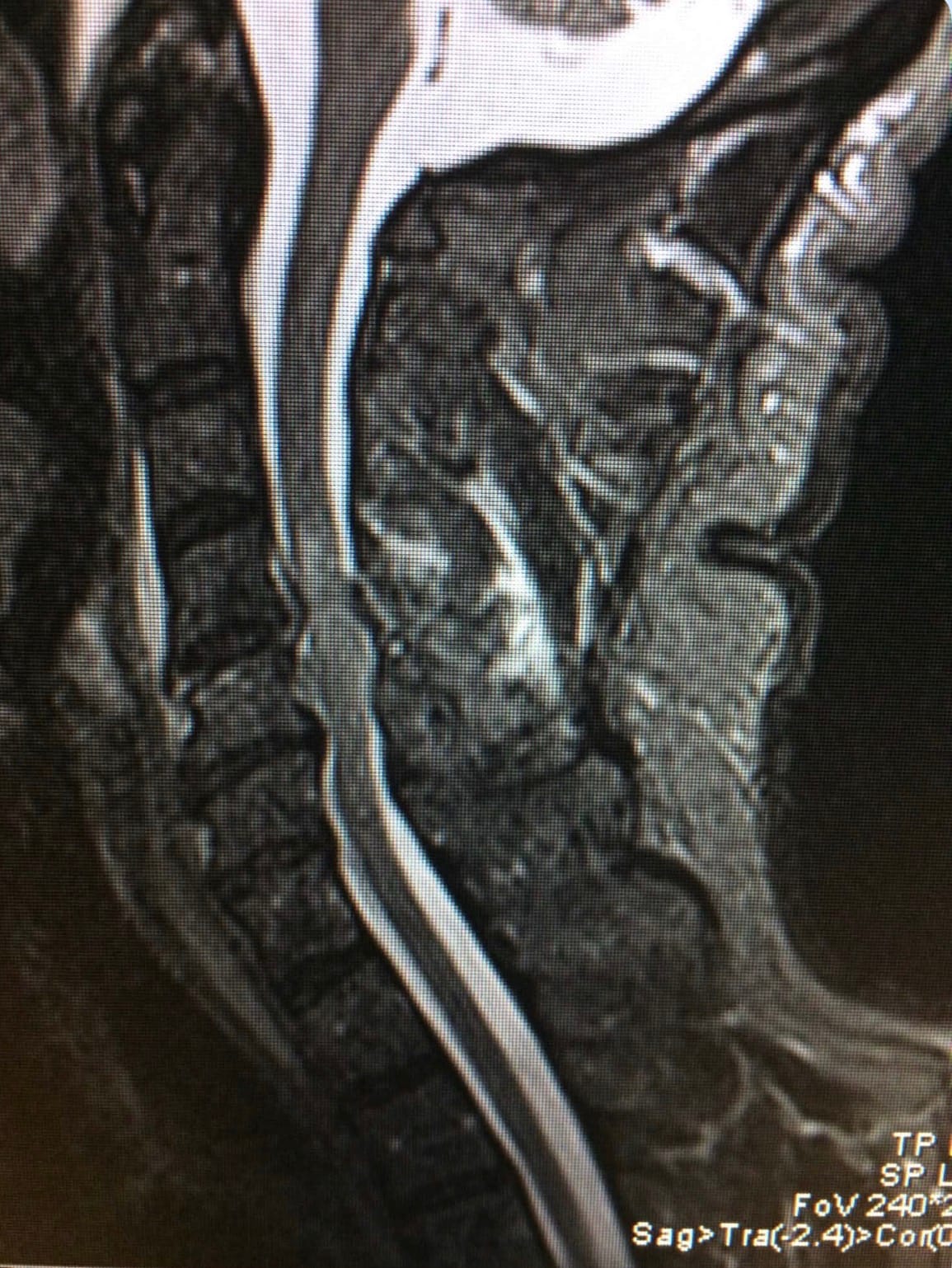
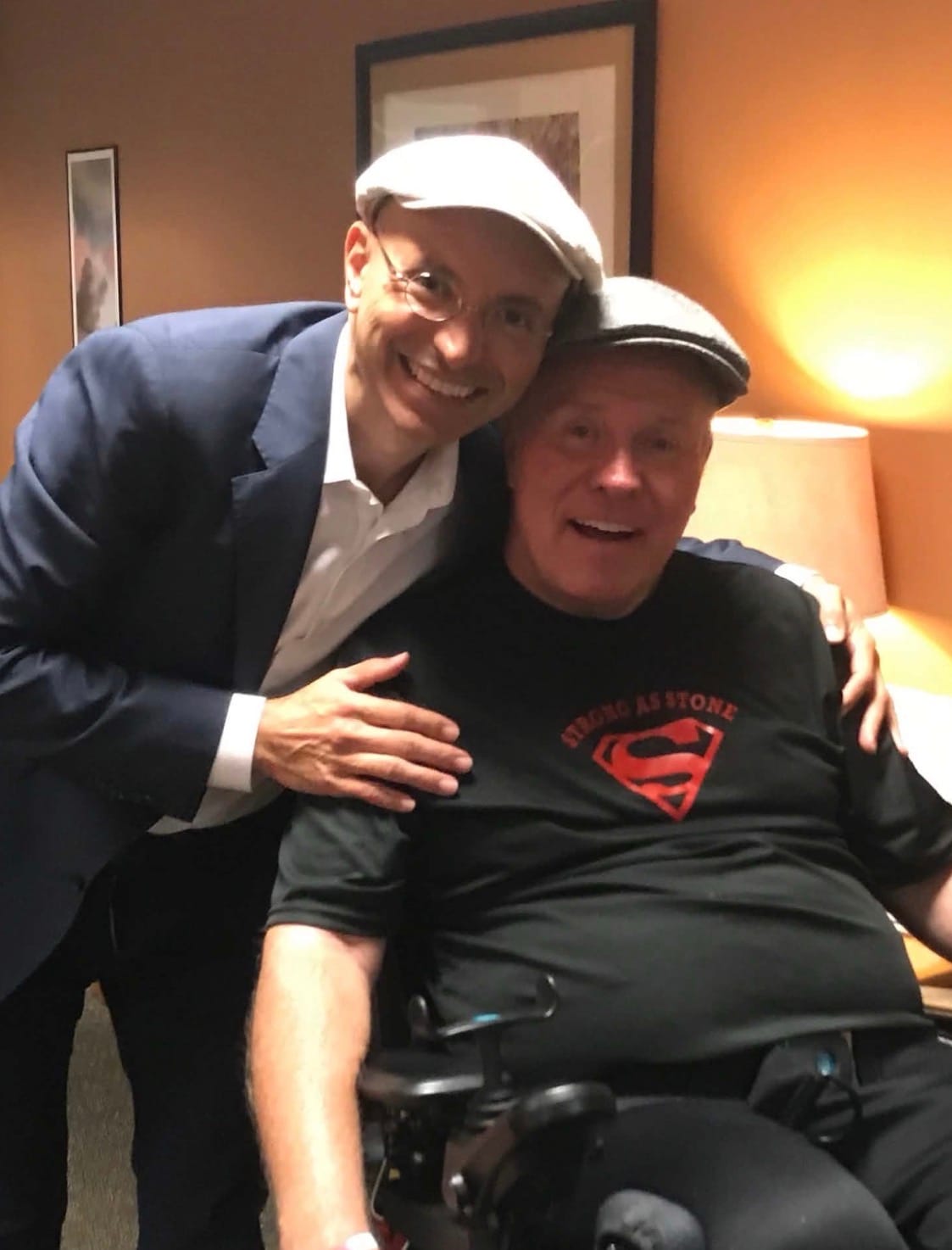
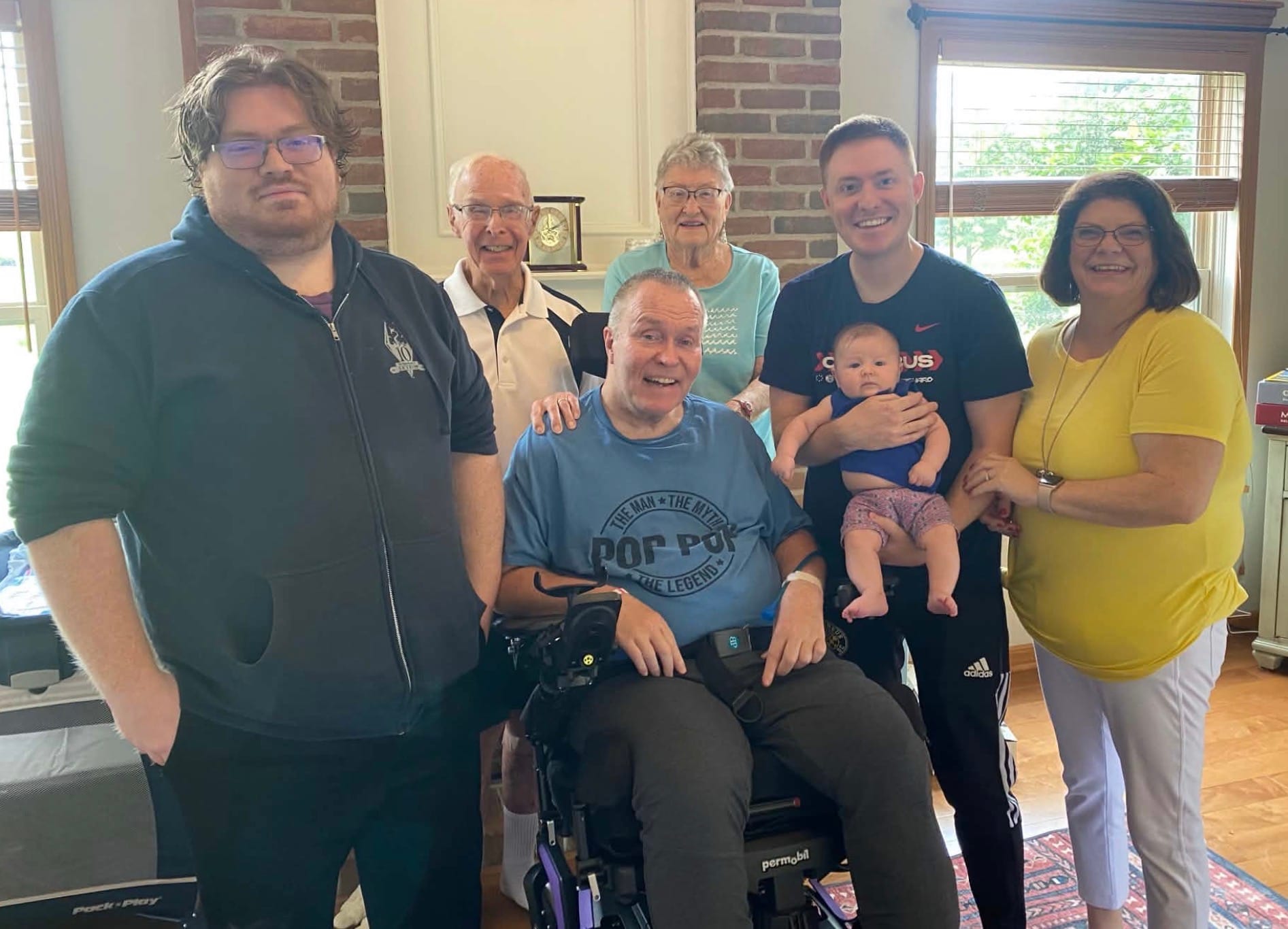
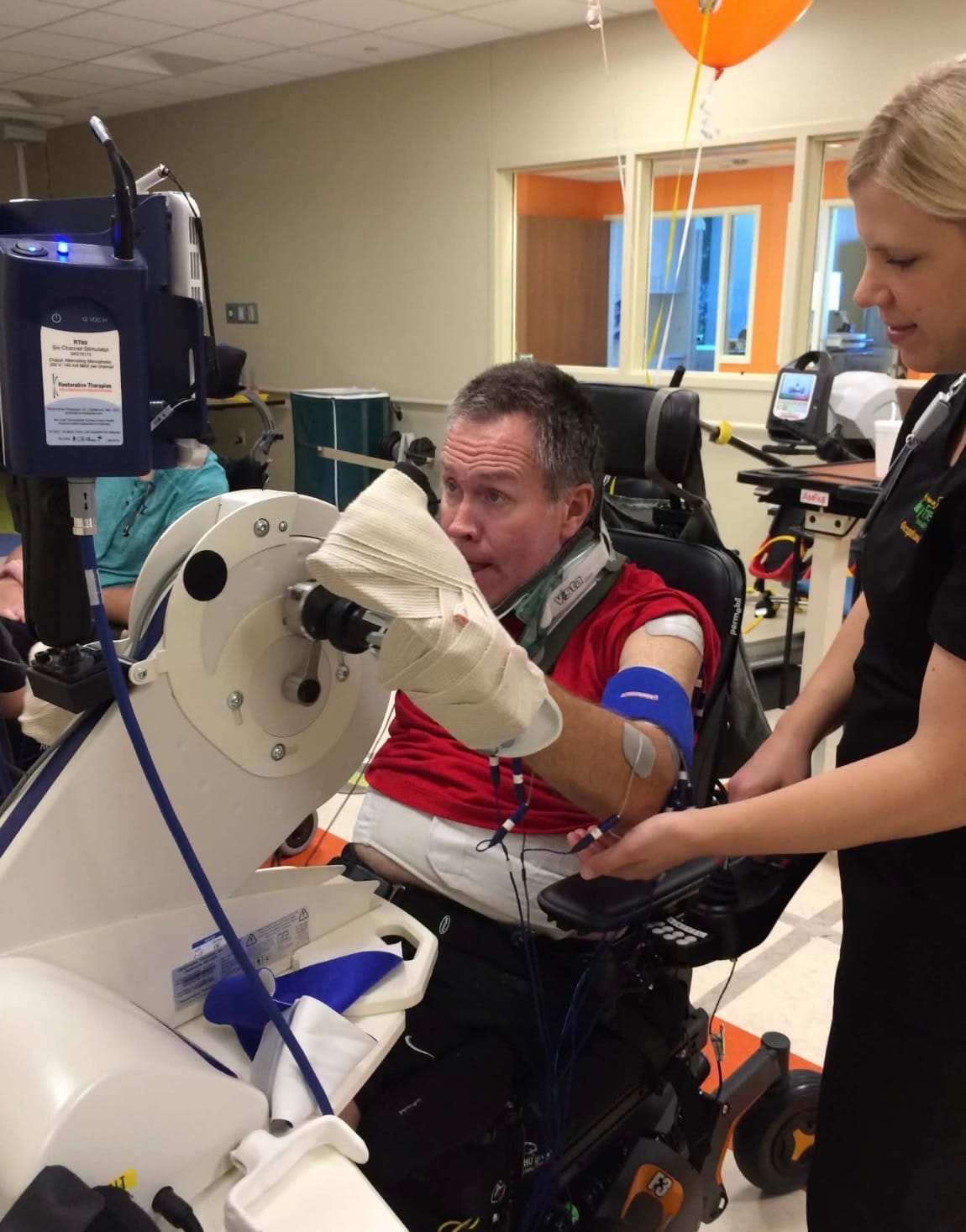
Top left, one of Keith’s first days in the ICU at the hospital in northern Michigan, the initial X-ray, Keith and the doctor who performed the surgery the night of the accident, Dr. Colen. Bottom left, Keith with his parents, his wife, Sarah and sons Matthew left and right with Andy and his daughter, Luna. Right, Keith during his time and the Mary Free Bed Rehabilitation Center in Grand Rapids, Michigan.
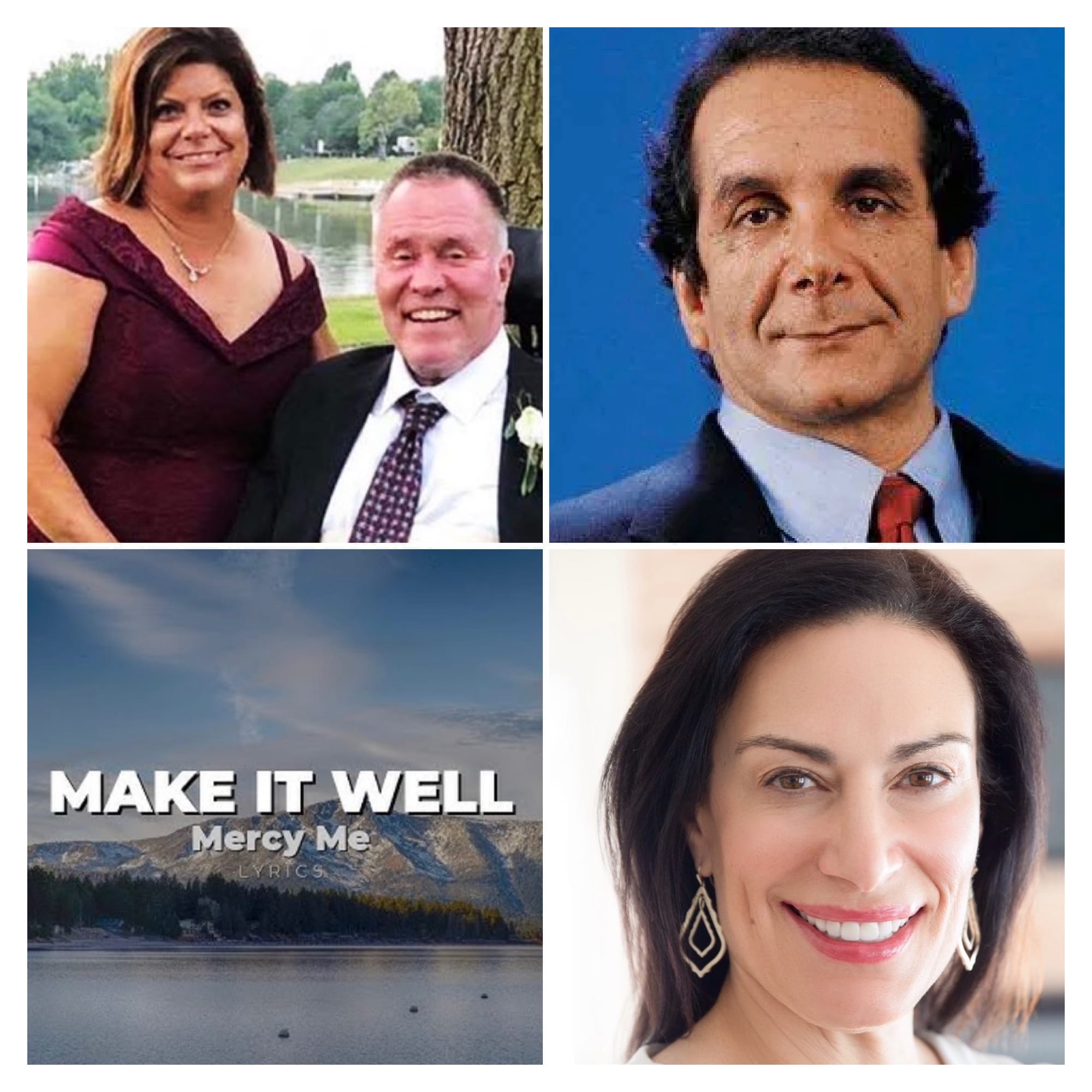
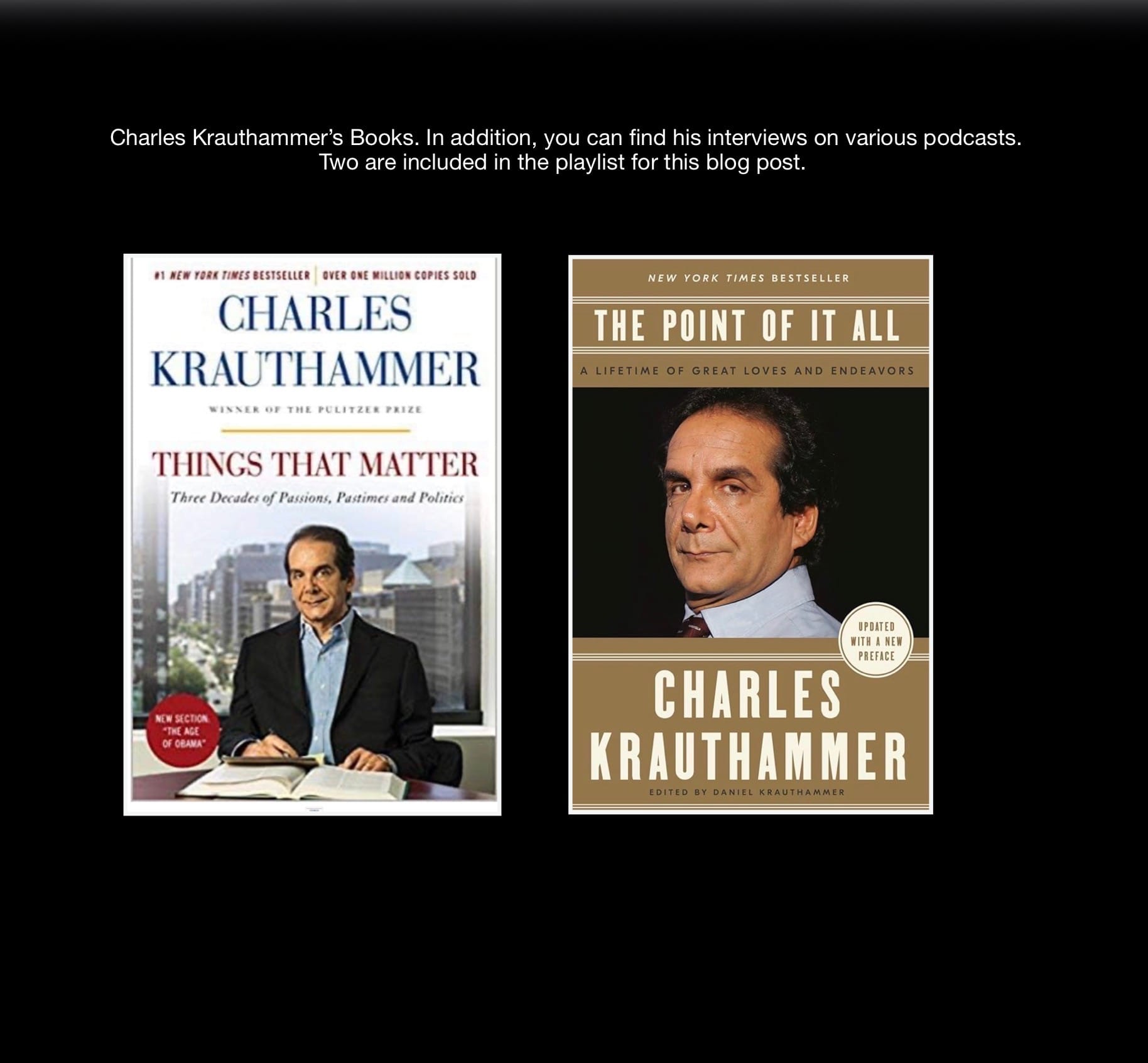
Charles Krauthammer grew up in Montreal, Canada. He was born in Manhattan, New York in 1950 to Jewish immigrants, Shulim Krauthammer. and Thea Horowitz. His father from France and his mother from Belgium. When Charles was age five, his parents moved Charles and his brother Marcel to Montreal. Charles would later graduate with honors from McGill University in Montreal, he then went on to Oxford, thinking a career in politics would be in his future and then, having gained acceptance into Harvard Medical School, hoping to defer, he called asking them to rescind acceptance for the current/soon to start semester, which they did, based on another student dropping his. Charles got back to the U.S. as soon as he could and he started medical school in Cambridge, MA. During his first year of medical school, a diving accident left Charles paralyzed from the waist down. Charles continued with his class, studying from a hospital bed with a clear plastic table above him with his text books upside down so that he could read. An associate dean at Harvard, Hermann Lisco, helped facilitate Krauthammer’s graduation in 1975. He went on to a Psychiatry residency at Massachusetts General Hospital. After completing his training, he went on to Washington D.C. to direct planning in psychiatric research during the Carter administration. Later, he went on to be a speech writer for Walter Mondale, started contributing articles to The New Republic, Time Magazine and other periodicals eventually winning a Pulitzer Prize for his column in the Washington Post in 1987. Charles became known as a well respected political commentator appearing on television panels and became a very well known columnist and sought after speaker.
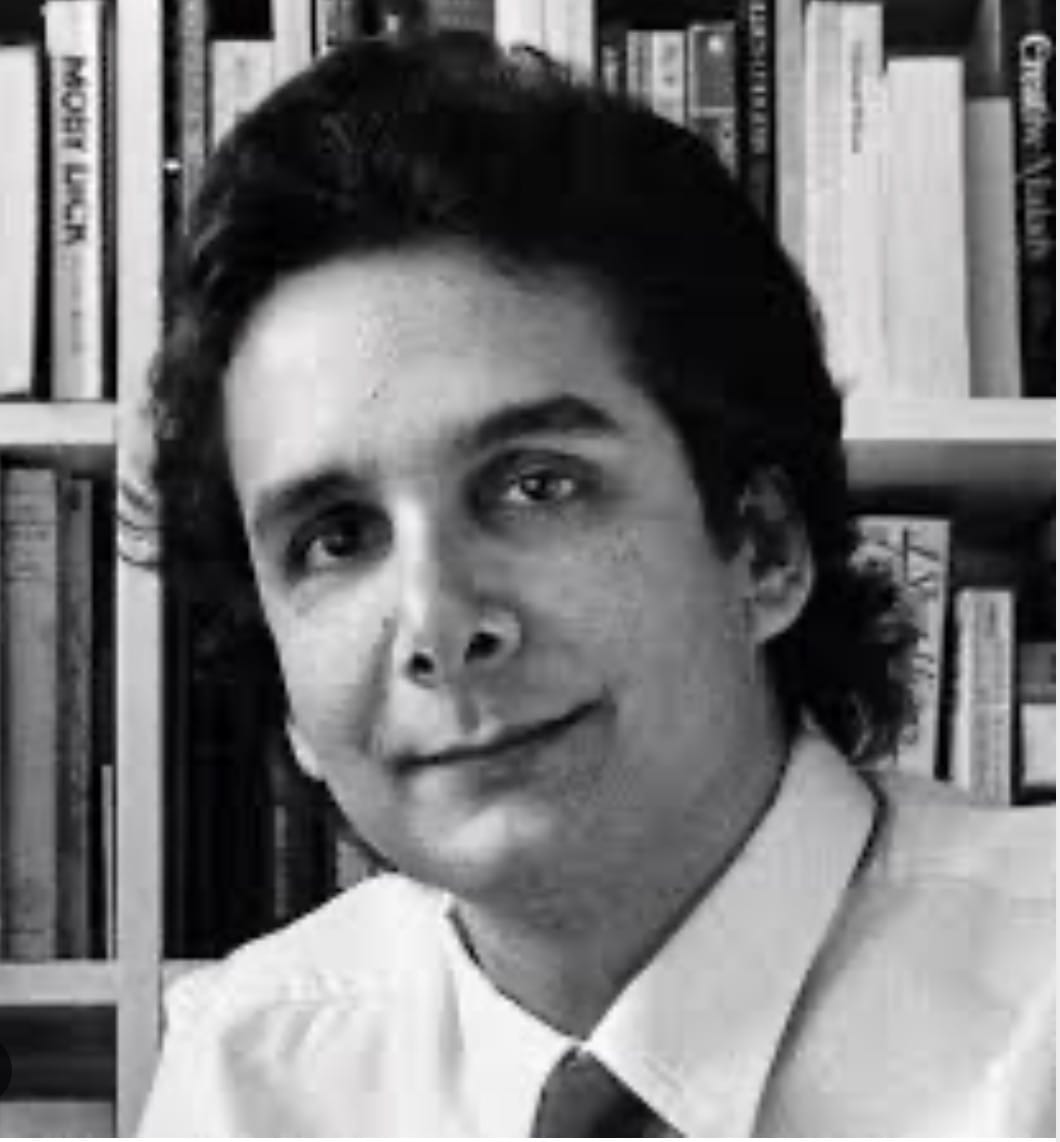
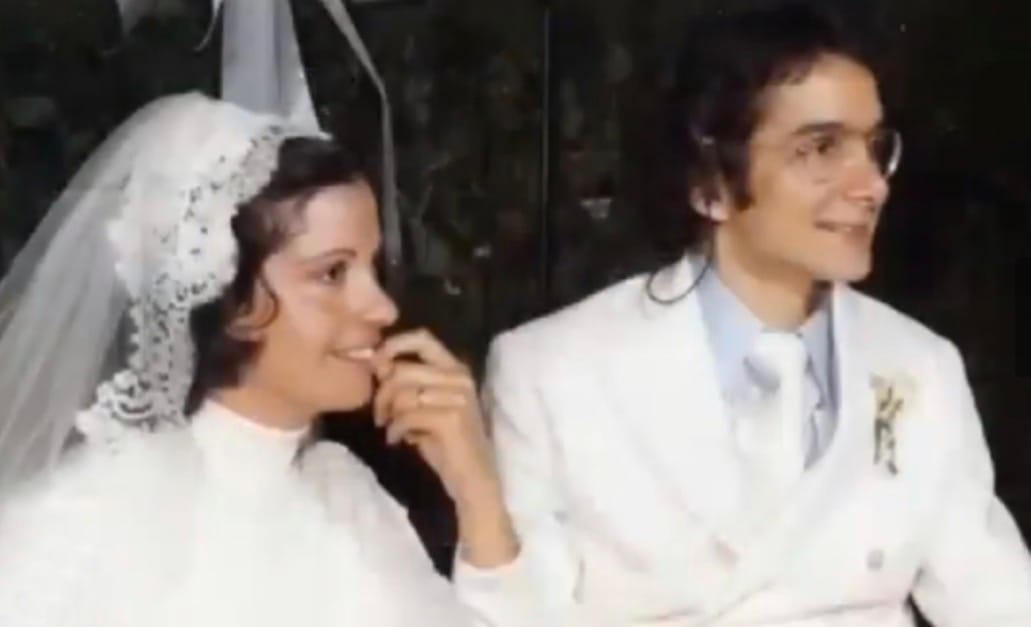
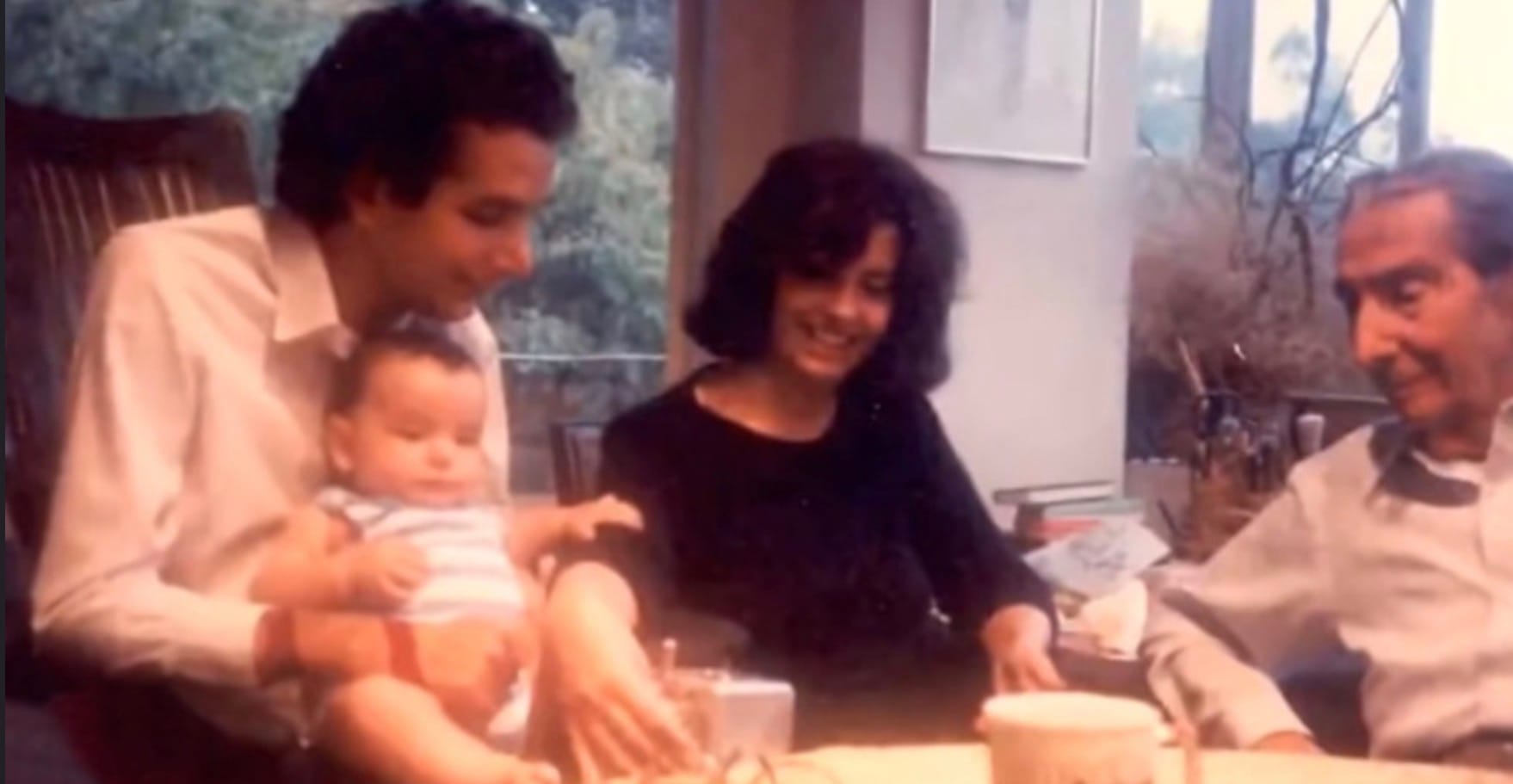
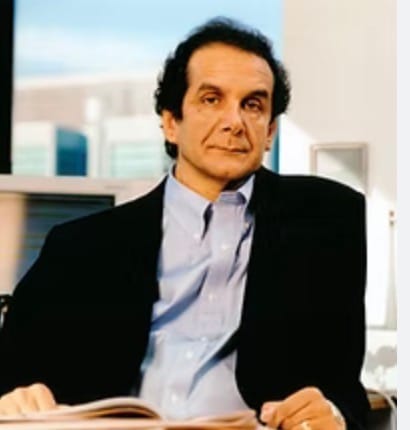
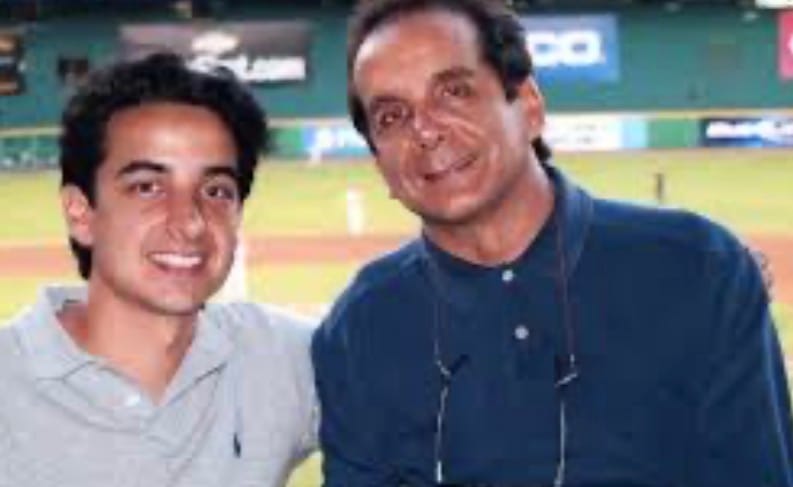
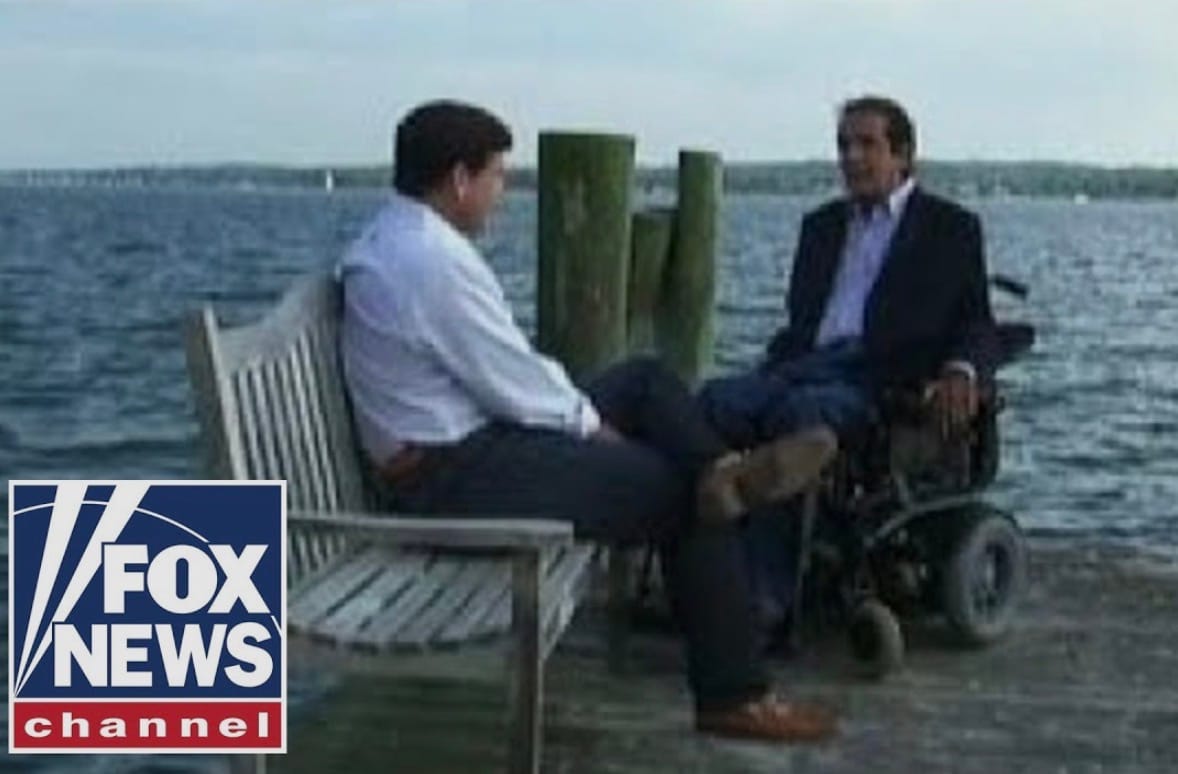
Photos of Charles; top left, Charles as a college student, with his bride, Robyn. He and Robyn with young Daniel and Charles’ father, Shulim. Bottom left Charles, the columnist in Washington D.C., with his adult son, Daniel and in an interview with Bret Baier. Charles was a regular panelist on Bret’s six o’clock news.
Charles went to Washington following medical school with a liberal outlook. Time in Washington made him more conservative. Most would describe Dr. Krauthammer as mostly very much, ‘common sense.’ During the years our son was in school playing tennis in Florida, we frequently watched Charles on Bret Baier’s panel during the six o’clock hour during the week on Fox News. Charles often credited has ability to have such success as a writer and commentator, due to his wife Robyn (their son would tell you that she would say the same about Charles supporting and encouraging her as an artist, which was her second career following her time as a law clerk). The two met while Charles was at Oxford in England, originally from Australia, working as a law clerk. When she heard of Charles’ diving accident, she flew to Boston to be with him. They married in 1974. The couple has a son, Daniel who has fond memories of going to movies with his Dad on Christmas Day, being Jewish, this was a excellent choice with most people celebrating with families at home. The family enjoyed attending baseball games together to watch their favorite team, the Washington Nationals. I recall in an interview with Daniel he told a story of his father teaching him to skate. Some kids will push a chair out on the ice to get the hang of skating. Daniel pushed his father’s wheelchair on the ice while he talked his son through the “skating lesson.” Later in life, Charles would describe himself as “not religious,” however he would qualify himself as God fearing. In an interview I heard him say that he felt that there was a God that there was just too much proof of that in the world around us, he just didn’t understand the idea of a personal relationship with God through faith. Charles passed away in June of 2018 at the age of 68 from intestinal cancer. He is survived by his wife, Robyn and son, Daniel…
As I read Keith Stone’s book, I couldn’t help but reflect on some similarities between himself and Charles Krauthammer. Both men had life changing accidents at pivotal times in their lives. Keith, as he and wife were nearing a time when the kids were on their own, looking close to retirement and Charles, in his first year of medical school, looking forward to a career as a doctor. Both were fortunate to have dedicated and faithful women by their sides, who not only saw them through physically painful times but went on to be their biggest supporters. Both couples raised fine men who are close to their families and finally, both men went on to be very good writers, something I know Keith had not done prior to his retirement and I’m not sure about Charles on that. Where the two men differ is in their faith, in that Keith and his family are Christians, members of the Lutheran Church and Charles, as mentioned earlier, raised Jewish but later in life, non-religious but God fearing.

Both Keith and Charles are to be admired for not letting their accidents define their lives. At the time, it must have seen overwhelming and they may have felt that they were unsure as to what their future life would look like and I am guessing that each man could not have imagined that they would be the person they became after as a writer, husband, (grandfather for Keith) and role model. We all have seen people in life, taken down in the dumps for much smaller circumstances…
Do you remember the hymn “It is Well With My Soul,” by Horatio Spafford? Horatio was a successful attorney and real estate developer who lost most of his fortune in the Chicago fire. Following the fire, he planned a trip to Europe with his family to support evangelist Dwight Moody’s upcoming revival campaigns in England. Having to stay behind and leave later, he sent his wife and four daughters on the French steam ship, the SS Ville duHavre. On November 22, 1873 the ship collided with the British iron clipper, Loch Earn, in the Atlantic Ocean. His wife, Anna, was found alive, floating unconscious on a plank of wood. When she arrived in Cardiff, Wales she wired her husband, “Saved, alone.” Horatio boarded the next ship available to be with his grieving wife. During the passage, the captain notified Spafford and had him join him on the bridge of the ship to inform him that they were passing over the exact place where his daughters had perished. Horatio was “inspired by an overwhelming sense of faith and comfort, amidst intense sorrow.” He went back to his cabin and wrote the words to the famous hymn. His close friend Philip Bliss later composed the music, naming it “Ville du Havre,” after the ship that sunk his wife and daughters were on. Can you imagine the pain he must have felt as the ship he was on hovered over the area where his four daughter drowned? Yet, he had the calm to script the words “that what ever my loss thou (God) hast taught me to say, ‘It is well with my soul.’ ” What faith one must have to feel that calmness and trust.
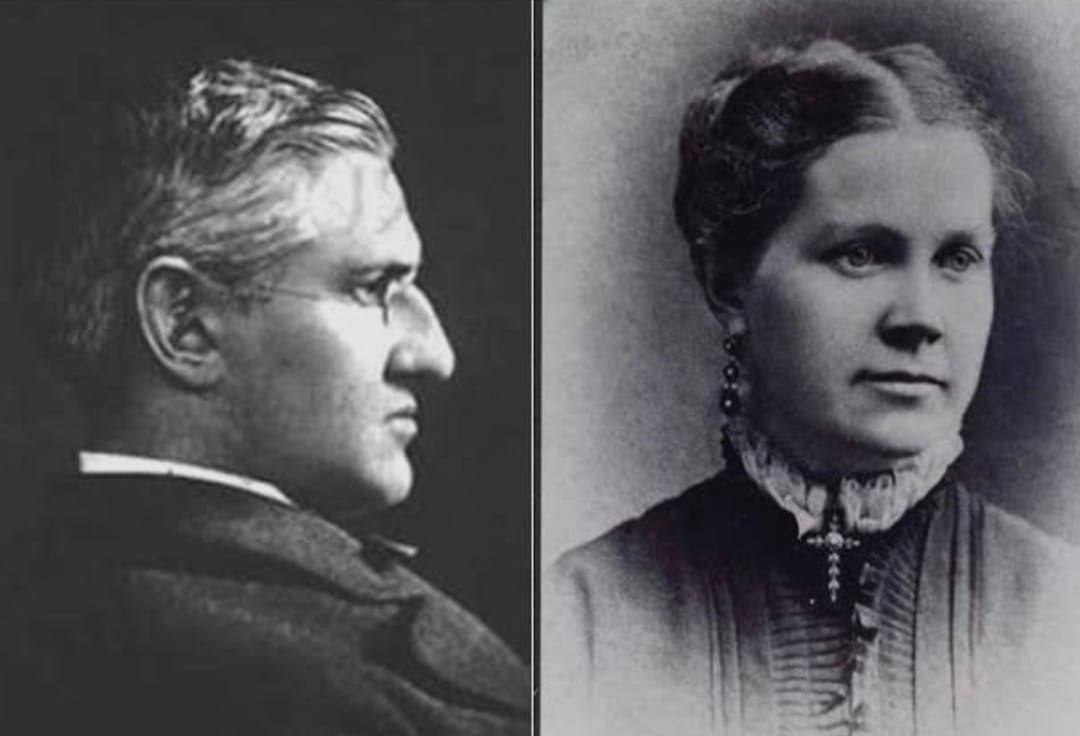
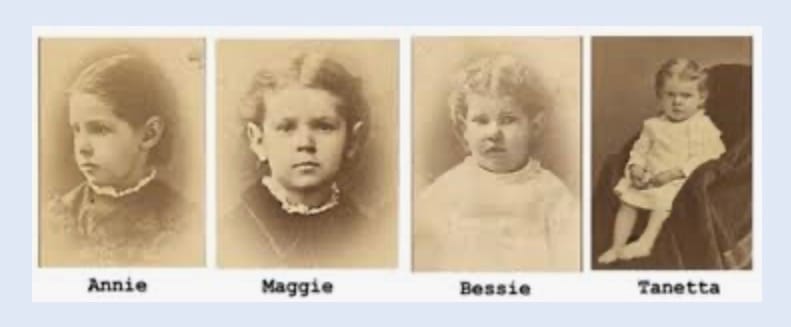
Horatio Spafford, his wife, Anna and their four daughters. The girls perished when the ship they were on with their mother, bound for England hit another ship.
I heard that calmness and trust in the words Keith wrote, in his caring for his wife, his sons, his parents and his friends as mentioned earlier. In Charles’ case, that he was able to move forward, have a happy marriage and raise a son, he must have had some faith in a God he feared. As recalled earlier from an interview, Charles feared God but was unclear as to how the “personal relationship one would have with him” worked. I am paraphrasing here but Dr. Krauthammer mentioned that it was hard to understand that faith one would have. Oh how I wish he could have met Keith Stone because I feel that being with Keith and talking to him, Charles would have understood it. He may have even said, after time spent with Keith, “It is Well.” And maybe even he would have added…”It’s a Great Day too.”
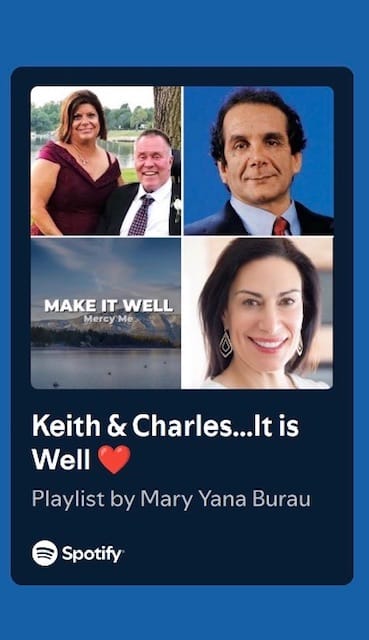
Here is the Spotify playlist/link. It includes some great songs and two interview/podcasts on Charles.