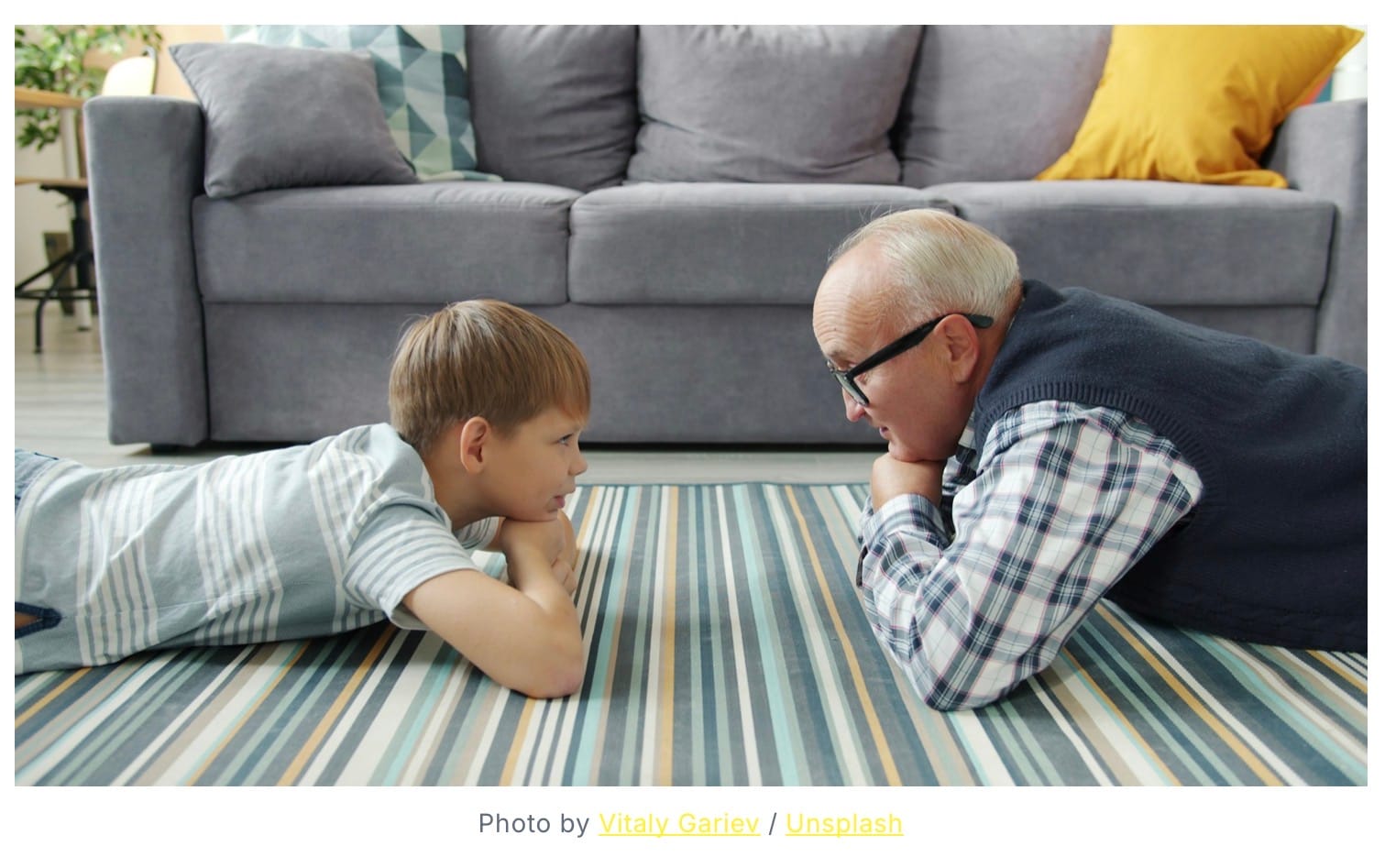

When I think of the big issues in life, these topics come to mind; who to marry, big purchases, career plans or where to receive education/training.The skills it takes to make these decisions are taught over many years. As mentioned in the previous lessons in this series, these lessons start early on with little lessons on spending money wisely, observing your kids strengths, all with little discussions here and there.
When I think of helping a child learn early lessons that will be fruitful in them selecting a good spouse, that can start early on too. Little phrases like, “I really appreciate Daddy helping us clean up the dishes and getting the kitchen cleaned up after dinner, so that we can all play games together quicker.” Or “Your Mom works so hard for our family, I appreciate what she does for us, don’t you?” Kind words spoken about your spouse when they are not around shows your children the qualities you admire in your spouse. As they get into the pre-teen, teenage years, maybe you start asking them questions like, “what qualities do you think are important in a spouse?” I hear often young men/women in their twenties and thirties saying things like, “she checks a few boxes of the kind of girl I’m looking for.” Consider bringing that up with your older teenagers and young adult children. Maybe they haven’t verbalized the qualities they would look for in a spouse. Talking about it will get them thinking about the qualities that they would look for. If they have a list and at the top of the list is someone who values their faith and they bring home someone who doesn’t go to church or have an interest, maybe when they ask you what you thought of “George” you bring that up. Maybe George would go and his faith could be important to him, maybe his family only went to Church on Christmas and Easter. I wouldn’t totally write that person off if they had good qualities and their was an interest, people can change. This would just be something you would point out to your child. Realizing differences that could cause friction down the road is important to point out, as well as similarities. Frequent discussion about this topic will make your child aware and mindful of what they are looking for. Also teach your kids not to waste people’s time if there is no interest. That is teaching your child to respect others and their time…
Buying a car can be a big step for a young adult. Steering your kids towards an affordable car is important. Depending on your location sometimes a new affordable car with a discount if your family is in the auto industry can be a better option that a used car. I remember the saying, “Your car depreciates ___percent as soon as you drive it off the market. Buy a used car.” Teach your kids how to do the research and math. Every situation is different and they need your wisdom and experience in buying a car. Help them buy a car in their price range. For a young adult to be saddled with a big car payment that takes up a large part of their monthly expenses can add stress to a young person starting our in a new career. What if the they are a teacher and they get pink slipped? Could they make the payments until they get hired again? Young adults learn early on that the real world is expensive. A manageable and reasonable car payment can allow for your young adult to save more and as their savings grow it could mean more freedom. Go with them to look and eventually buy. Teach them to read the fine print and what it all means. A young person in the show room by themself could easily get talked into more of a car than they need or can reasonable afford. Teach them how to reasonably negotiate and how to walk away when the deal isn’t fair. How will they learn these skills that seems so common sense to you if you don’t teach them?
When it comes to housing, do the same thing. When they go out to get their first apartment, go over the lease carefully. If they have roommates, whose name will be on the lease, one person or all of the renters? You would not want your son or daughter to be left “holding the bag” if one of the roommates “books.” READ THE FINE PRINT. How well do they know these roommates? Is parking included or is it extra?
When they go to buy a house, point out that it’s not just the mortgage to consider, but there are taxes, utilities, upkeep, furniture, etc. Will you have enough money to repair the furness or water heater if they break? Is this a house with a good location for resale if they need to sell the house? Request the closing papers in advance and look them over or have a professional look them over so that there are no errors or mistakes. Is the price what you negotiated? DETAILS, DETAILS, DETAILS.
In last week’s Teaching Tuesday, we covered education and training. This is a huge decision and takes lots of research and time on both you and your child’s part. It’s never too early to start taking mental notes on your child’s interests and strengths. And it’s never too early to perking your ears to promising career paths you think your child would have success or career paths that are recession proof. Think what fields will there always be a need for?
When your kids are adults, paying their own way, you can become friends as well, but you will always be their parent. They will need your wisdom as long as you are around. There will come a time, sooner than you might think, when you will ask THEIR advice. That’s how it is with good friends you trust. You may ask their advice, what are their thoughts, you will weight it with what your thoughts are and you will make the best choice. We told our kids when they were teenagers, when you have an important decision to make, talk to 3-4 people you trust and people you know who have your best interest in mind. I remember one of our kids talked to us, grandpa and a trusted coach. He made a good decision and it was a lesson in how to make a big decision; gathering information from trusted people, do your own research, consider all of the information and make the best decision possible.
Another important lesson in making decisions is that it is fair to change your decision when there is new or more information. Let’s say, they decide on a college and then once they are there, the circumstances change that, that decision was based on a particular major and the student decides to change their major and the current school doesn’t offer that major area of study. Well then, you need to make a change. Teach your kids that it’s fair to have to change directions. Sometimes knowing that can take the pressure off and make it easier to make a decision. You want your kids to become confident in their decisions. The more decisions they make, the better they get at it and the more confident they become.
As a parent, you want your kids to be ready for the adult world when the time comes. You can’t protect them from every bump along the way, wouldn’t we all like to do that. The bad experiences are good teaching opportunities and sometimes the best lessons are learned when things go wrong or don’t go as you had planned. Leading to many…Great Days 🍎